Chile
- Who issues it
- Dirección General del Territorio Marítimo y de Marina Mercante (DIRECTEMAR) [Directorate General of Maritime Territory and Merchant Marine]; local Capitanías de Puerto issue bay and coastal licences, and the Director General issues offshore licences.
- Minimum age
- 14 years
- Buoyage
- IALA region B
- Collision rules
- Reglamento Internacional para Prevenir los Abordajes en la Mar (RIPA)
Do you need a licence?
Yes, in Chilean waters unless your craft is one of the listed small or unpowered exceptions.
You don't need one for:
- a motorboat up to 10 HP
- a sailboat under 5 metres
- a rowing boat
- a kayak
Bay licences start at 14 and coastal licences at 18. If you are under 18, you may use bay motorboats up to 6 metres and 135 HP; use only the areas, times and conditions authorised by the maritime authority.
Patrón de Lancha Deportiva de Bahía · Recreational bay motorboat skipper
From 14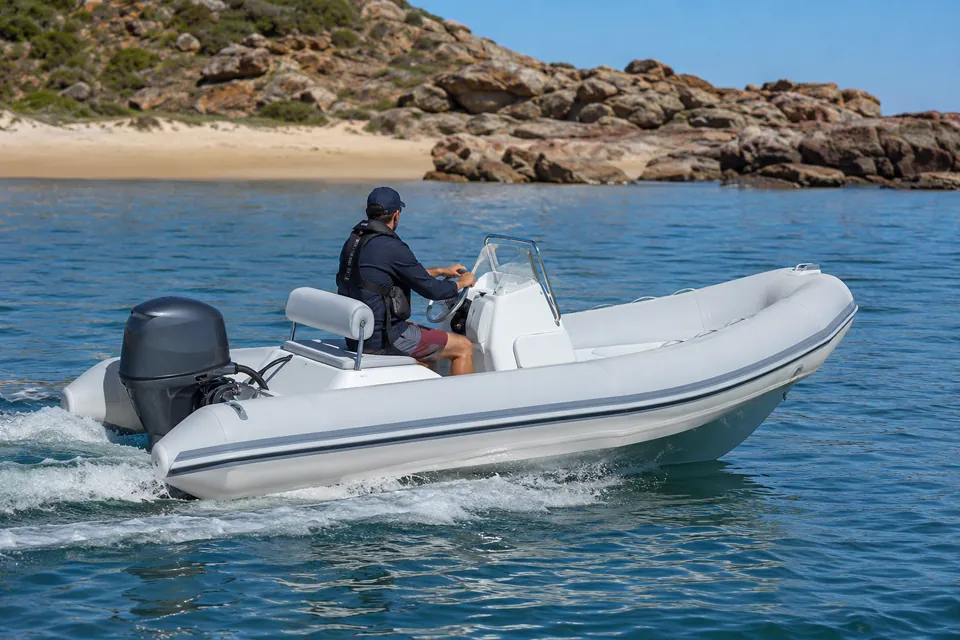
- What it lets you do
- You can use motor-only bay craft in sheltered ports, bays, rivers and lakes, within local maritime authority limits.
- How you get it
- You need 60% in each theory subject and take a motorboat practical covering normal and emergency manoeuvres.
- Where to study
- Study it in Academy
Patrón Deportivo de Bahía · Recreational bay skipper
From 14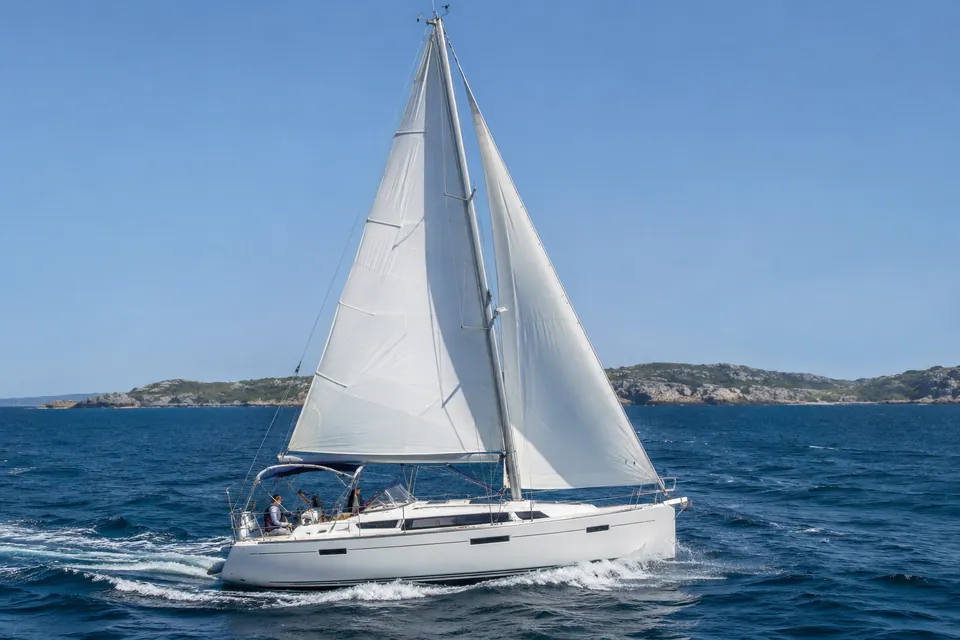
- What it lets you do
- You can use sail and motor bay craft in sheltered ports, bays, rivers and lakes, within local maritime authority limits.
- How you get it
- You need 60% in each theory subject and take a sail-and-motor practical. If you hold a bay motorboat licence, you take only a sailing practical.
- Where to study
- Study it in Academy
Capitán Deportivo Costero · Recreational coastal captain
From 18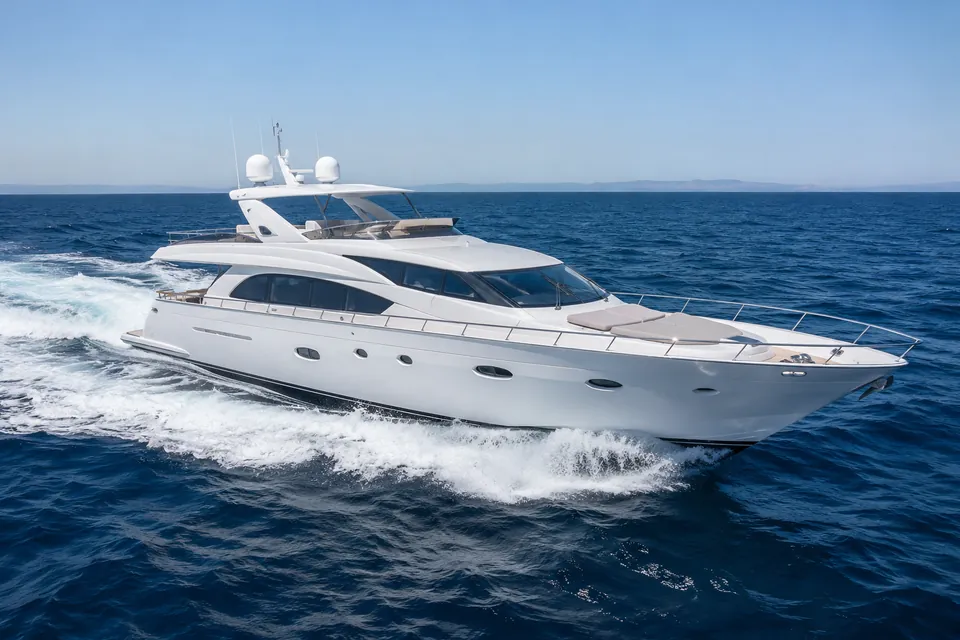
- What it lets you do
- You can use coastal and offshore recreational craft on coastal trips within 60 nautical miles of shore, as well as bay craft.
- How you get it
- You need Patrón Deportivo de Bahía, 60% in each theory subject, and a sail-and-motor practical covering emergencies and equipment use.
- Where to study
- Study it in Academy
Capitán Deportivo de Alta Mar · Recreational offshore captain
From 18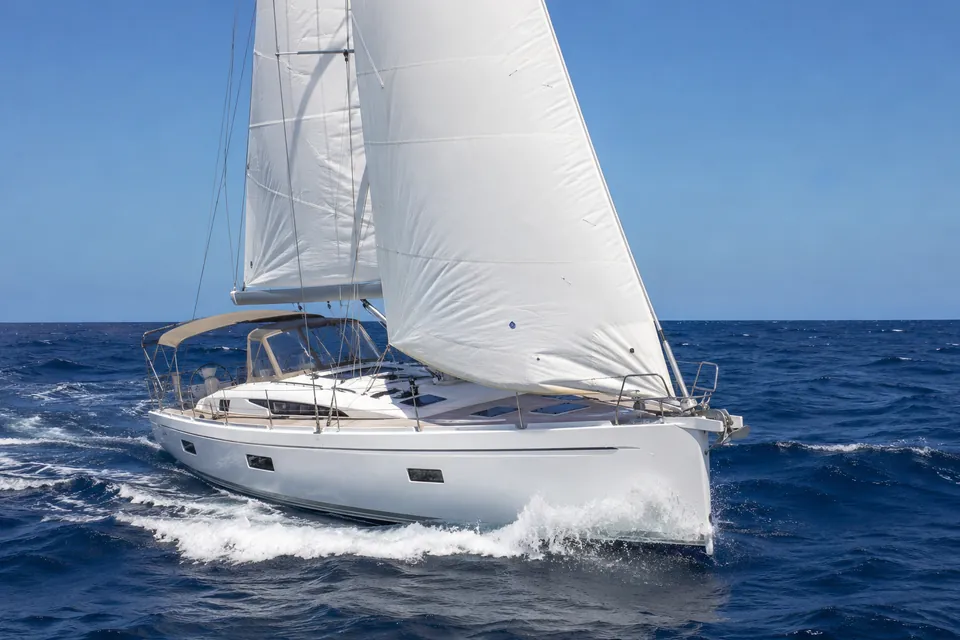
- What it lets you do
- You can use recreational offshore craft on any voyage, including ocean passages, as well as coastal and bay craft.
- How you get it
- You need the coastal licence and at least 20 documented voyages, including 5 at night, totalling at least 200 hours in command.
- Where to study
- Study it in Academy
Professional deck titles
Tripulante de la Guardia de Navegación
STCW II/4- What it lets you do
- You can work as a deck rating and form part of the navigational watch on any ship.
- Where to study
- Study it in Academy
Tripulante de Primera de Puente
STCW II/5- What it lets you do
- As an able seafarer, you can support navigation, manoeuvres, cargo work and deck maintenance.
- Where to study
- Study it in Academy
Piloto Tercero
STCW II/1- What it lets you do
- With the required qualifications, you can serve as a navigational watch officer on ships of any GT.
- Where to study
- Study it in Academy
Piloto Segundo
STCW II/2- What it lets you do
- With a management qualification, you can be master on ships up to 2,000 GT, or 3,000 GT domestically. You can also be chief mate on ships up to 4,000 GT.
- Where to study
- Study it in Academy
Piloto Primero
STCW II/2- What it lets you do
- Once you hold a management qualification, you can be master on ships up to 3,000 GT, or 4,000 GT domestically. You can also serve as chief mate on ships of any GT.
- Where to study
- Study it in Academy
Capitán de Alta Mar
STCW II/2- What it lets you do
- You can be master of seagoing ships without tonnage limits.
- Where to study
- Study it in Academy
Radio certificates
Certificado de Operador Restringido Radiotelefonista
- What it lets you do
- You can use non-GMDSS radiotelephony on boats up to 50 GT and at base stations, within the certificate's limits.
- Where to study
- Study it in Academy
Certificado de Operador Restringido zona A1 (COR/A1)
ROC- What it lets you do
- This lets you operate GMDSS ship radio equipment in sea area A1.
- Where to study
- Study it in Academy
Certificado de Operador Restringido zonas A1 y A2 (COR/A1-A2)
ROC- What it lets you do
- You can work as a national restricted GMDSS operator in sea areas A1 and A2.
- Where to study
- Study it in Academy
Certificado de Operador General (COG)
GOC- What it lets you do
- You are qualified as a general GMDSS ship radio operator.
- Where to study
- Study it in Academy
Radioelectrónico Segundo
- What it lets you do
- You can serve as a ship GMDSS radio officer and maintain or repair equipment by replacing units or modules.
- Where to study
- Study it in Academy
Radioelectrónico Primero
- What it lets you do
- You can serve as a ship GMDSS radio officer and maintain or repair equipment down to individual components.
- Where to study
- Study it in Academy
Ready to study for it?
The Academy is free with an account: lessons for every topic, timed mocks marked like the real exam, and your progress saved.
Official sources: DIRECTEMAR — Reglamento General de Deportes Náuticos y Buceo Deportivo (TM-002, November 2025) · DIRECTEMAR — Licencias y matrículas · DIRECTEMAR — Manual de procedimientos del usuario marítimo (updated 23 December 2024) · DIRECTEMAR — Reglamento General de Radiocomunicaciones del Servicio Móvil Marítimo (TM-011, June 2025) · DIRECTEMAR — Cartilla básica para aspirantes a tripulantes de cubierta de naves mercantes · DIRECTEMAR — Reglamento sobre Formación, Titulación y Carrera Profesional de la Gente de Mar (TM-007, updated November 2025)