Japan
- Who issues it
- 国土交通大臣 [Minister of Land, Infrastructure, Transport and Tourism], through 地方運輸局 [Regional Transport Bureaus].
- Minimum age
- 16 years
- Buoyage
- IALA region B
- Collision rules
- 海上衝突予防法
Do you need a licence?
Yes, you need a skipper's licence for motorboats and jet skis at sea or inland.
You don't need one for:
- an unpowered rowing boat
- an unpowered yacht under 5 GT
- a qualifying boat under 3 metres registered length and under 1.5 kW, subject to propeller-safety rules
The minimum age is 16, or 18 for first class; a second-class licence held under 18 is limited to under 5 GT.
二級小型船舶操縦士(湖川小出力限定) · Second-class small vessel operator, lakes/rivers and low-power restriction
From 16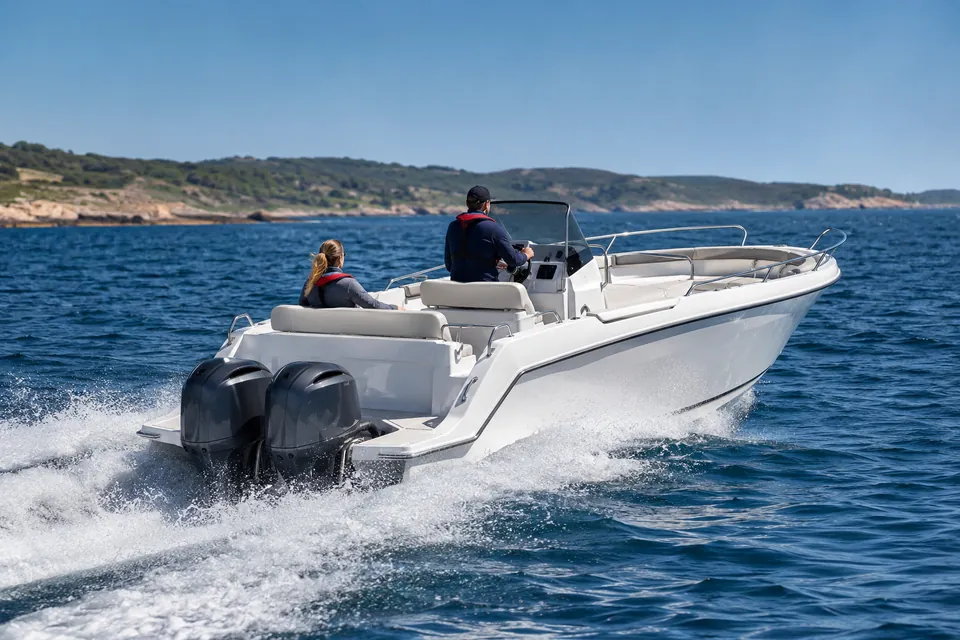
- What it lets you do
- You can use boats under 5 GT with engines under 15 kW on lakes, rivers and designated sea waters. It does not cover jet skis.
- How you get it
- You take a direct exam with 30 true or false questions, needing 20 out of 30 and at least half in each subject. You also take a practical test and medical assessment.
- Where to study
- Study it in Academy
特殊小型船舶操縦士 · Special small vessel operator
From 16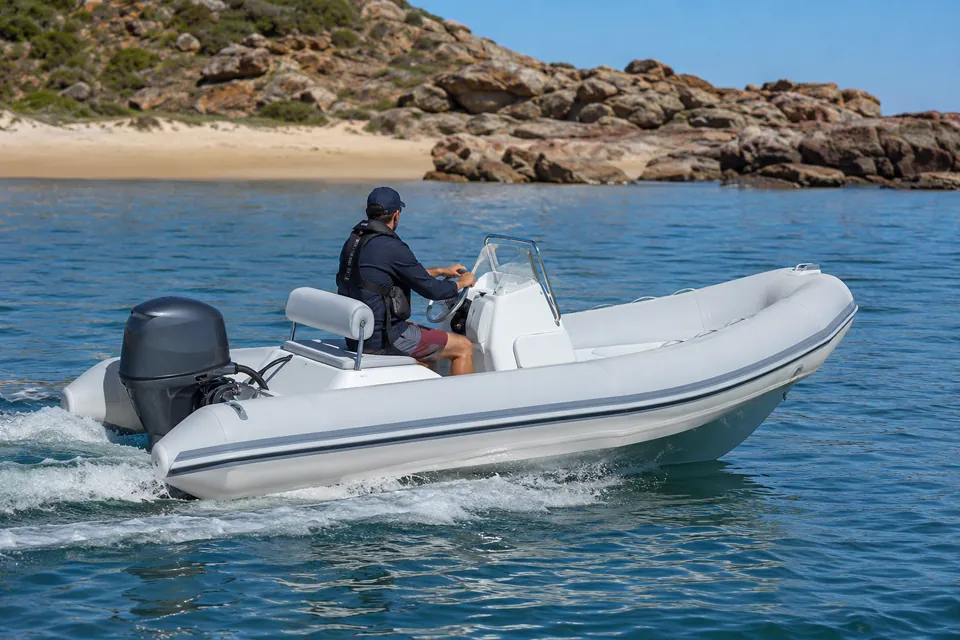
- What it lets you do
- You can use jet skis only, within the vessel's approved area and up to 2 nautical miles from the sea or lake shore. It does not cover ordinary boats.
- How you get it
- You take a direct exam with 40 four-option questions, needing 26 out of 40 and at least half in each subject. You also take a jet-ski practical and medical assessment.
- Where to study
- Study it in Academy
二級小型船舶操縦士 · Second-class small vessel operator
From 16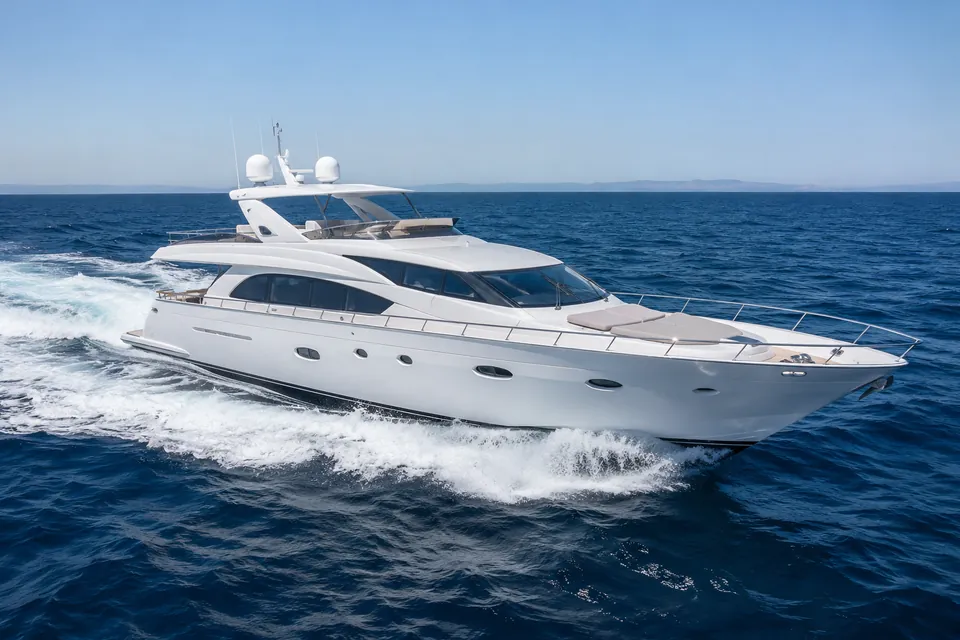
- What it lets you do
- You can use boats under 20 GT, or pleasure boats under 24 metres built for one operator, in sheltered waters and within 5 nautical miles of shore. If you are under 18, the limit is under 5 GT, and it does not cover jet skis.
- How you get it
- You take a direct exam with 50 four-option questions, needing 33 out of 50 and at least half in each subject. You also take a practical test and medical assessment.
- Where to study
- Study it in Academy
一級小型船舶操縦士 · First-class small vessel operator
From 18- What it lets you do
- You can use boats under 20 GT, or pleasure boats under 24 metres built for one operator. There is no licence distance limit, although vessel and offshore crewing rules apply; it does not cover jet skis.
- How you get it
- You take a direct exam with 64 four-option questions, needing 33 out of 50 general and 10 out of 14 advanced, plus half in each subject. You also take a practical test and medical assessment.
- Where to study
- Study it in Academy
Professional deck titles
六級海技士(航海)
- What it lets you do
- At deck grade 6, the ship's size, operating area and your onboard post determine where you can serve.
- Where to study
- Study it in Academy
五級海技士(航海)
- What it lets you do
- At deck grade 5, the ship's size, operating area and your onboard post determine where you can serve.
- Where to study
- Study it in Academy
四級海技士(航海)
- What it lets you do
- At deck grade 4, the ship's size, operating area and your onboard post determine where you can serve.
- Where to study
- Study it in Academy
三級海技士(航海)
- What it lets you do
- At deck grade 3, the ship's size, operating area and your onboard post determine where you can serve.
- Where to study
- Study it in Academy
二級海技士(航海)
- What it lets you do
- At deck grade 2, the ship's size, operating area and your onboard post determine where you can serve.
- Where to study
- Study it in Academy
一級海技士(航海)
- What it lets you do
- At deck grade 1, the ship's size, operating area and your onboard post determine where you can serve.
- Where to study
- Study it in Academy
Radio certificates
第三級海上特殊無線技士
- What it lets you do
- You can use domestic ship radiotelephony at 25.01 MHz or above, up to 5 W, and ship radar up to 5 kW.
- Where to study
- Study it in Academy
第二級海上特殊無線技士
- What it lets you do
- You can use domestic coast and ship radio up to 50 W at 25.01 MHz or above, and specified MF up to 10 W. You can also use radar.
- Where to study
- Study it in Academy
第一級海上特殊無線技士
- What it lets you do
- You can use ship VHF and DSC up to 50 W, with limited MF and satellite use. You may not handle international public telecom traffic.
- Where to study
- Study it in Academy
レーダー級海上特殊無線技士
- What it lets you do
- You can operate ship radar. Your technical work is limited to external controls that do not affect signal quality.
- Where to study
- Study it in Academy
第四級海上無線通信士
- What it lets you do
- You can use domestic coast and ship radio and limited ship radar. This excludes Morse and ship satellite stations.
- Where to study
- Study it in Academy
第三級海上無線通信士
- What it lets you do
- You can operate GMDSS ship and coast radio. Your technical work has equipment and power limits.
- Where to study
- Study it in Academy
第二級海上無線通信士
- What it lets you do
- You can operate GMDSS ship and coast radio. Your technical work has equipment and power limits.
- Where to study
- Study it in Academy
第一級海上無線通信士
- What it lets you do
- You can operate GMDSS ship and coast radio. Your shore-station technical work has power limits.
- Where to study
- Study it in Academy
第三級総合無線通信士
- What it lets you do
- At general-service grade 3, you can use limited ship and fishing-coast radio, including specified Morse use.
- Where to study
- Study it in Academy
第二級総合無線通信士
- What it lets you do
- At general-service grade 2, you can use ship and coast radio and Morse. International and technical limits apply.
- Where to study
- Study it in Academy
第一級総合無線通信士
- What it lets you do
- At general-service grade 1, you can use ship and coast radio, including Morse. Shore technical power limits apply.
- Where to study
- Study it in Academy
船舶局無線従事者証明書
- What it lets you do
- You receive an additional certificate for specified compulsory ship-station and satellite radio equipment.
- Where to study
- Study it in Academy
Ready to study for it?
The Academy is free with an account: lessons for every topic, timed mocks marked like the real exam, and your progress saved.
Official sources: 国土交通省 [MLIT] — 小型船舶操縦免許の制度 · 日本海洋レジャー安全・振興協会 [JMRA] — 免許制度について · 日本海洋レジャー安全・振興協会 [JMRA] — 試験について · 国土交通省 [MLIT] — 大型船舶に乗り組むためには(海技士免許) · 日本無線協会 [Japan Radio Institute] — 海上無線従事者 · 国土交通省 [MLIT] — 特定操縦免許制度について