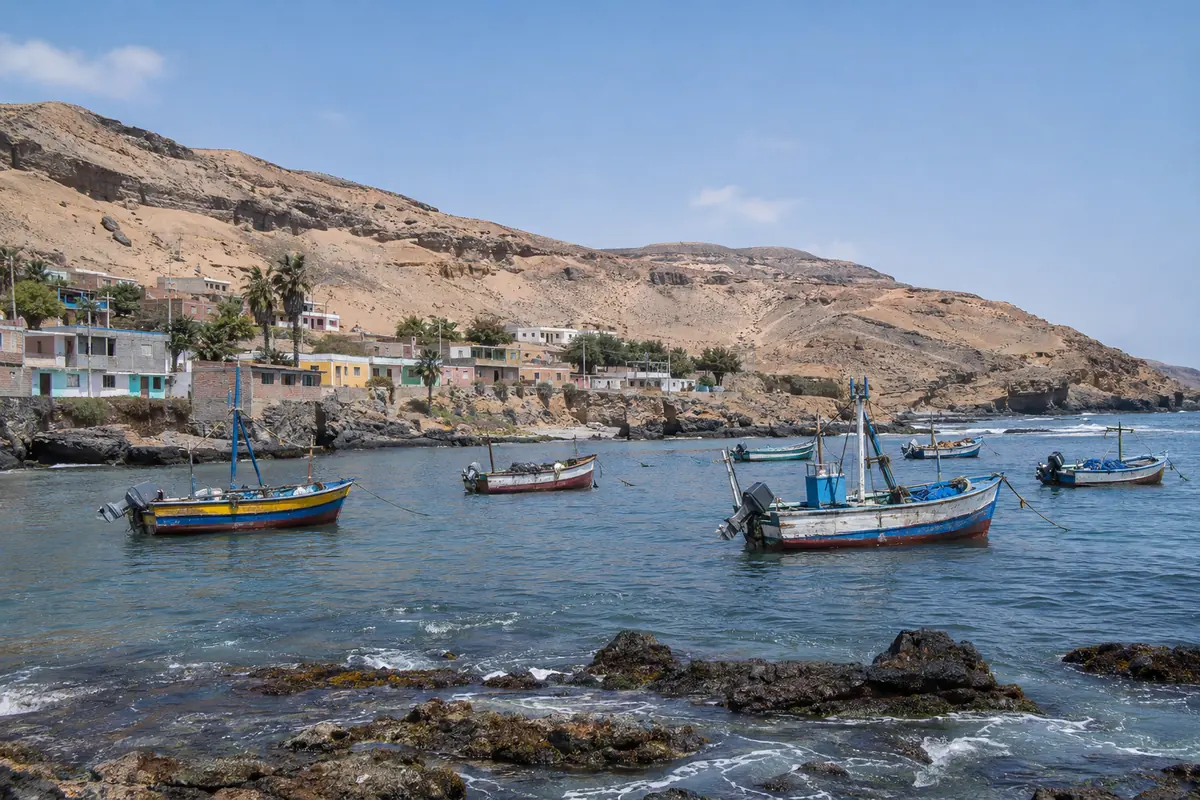
Peru
- Who issues it
- Dirección General de Capitanías y Guardacostas (DICAPI) [Directorate General of Captaincies and Coast Guard], Marina de Guerra del Perú.
- Minimum age
- 18 years
- Buoyage
- IALA region B
- Collision rules
- Convenio Abordajes 72
Do you need a licence?
Yes, you need a DICAPI title to skipper a recreational yacht or sailboat in Peruvian waters.
You must be over 18, and foreign applicants must live in Peru. Article 488 gives no power, length or speed threshold.
Patrón de yate · Motor-yacht skipper
From 18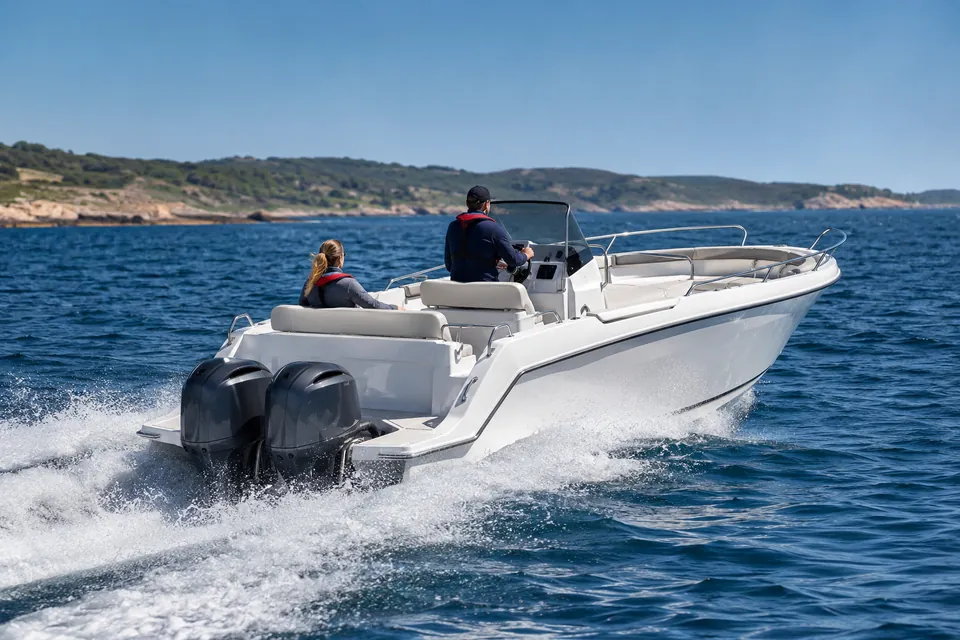
- What it lets you do
- You can use motorboats in sheltered waters, within the limits set by the local harbourmaster.
- How you get it
- You complete theory and a practical assessment in the approved course. The question count and pass mark are not specified.
- Where to study
- Study it in Academy
Patrón de velero · Sailboat skipper
From 18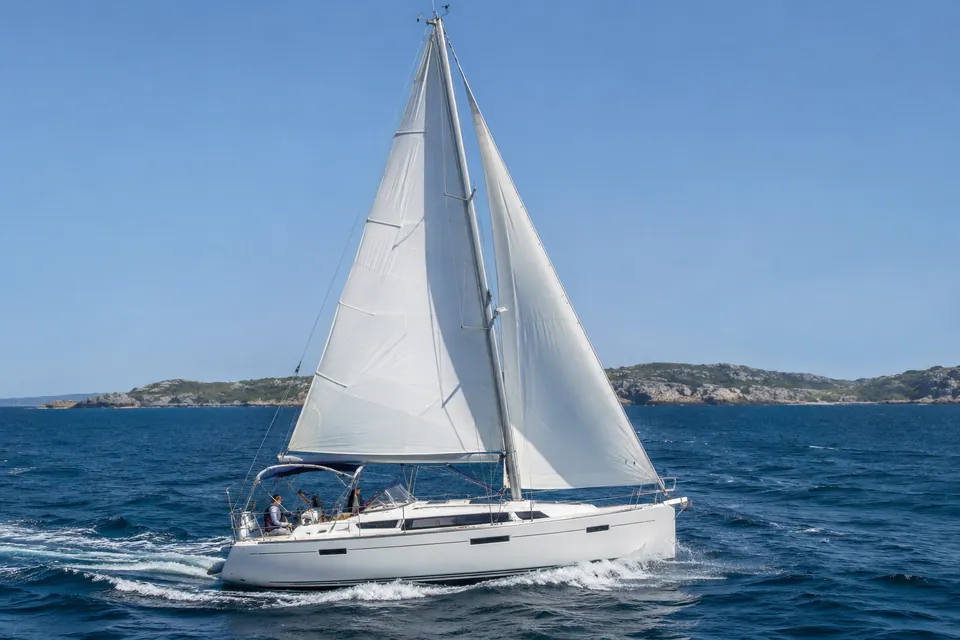
- What it lets you do
- You can use sailboats in sheltered waters, within the limits set by the local harbourmaster.
- How you get it
- You complete theory and a practical assessment in the approved course. The question count and pass mark are not specified.
- Where to study
- Study it in Academy
Piloto de yate · Coastal motor-yacht skipper
From 18- What it lets you do
- You can use motorboats within sight of the coast, by day or night.
- How you get it
- You complete theory and a practical assessment in the approved course. The question count and pass mark are not specified.
- Where to study
- Study it in Academy
Piloto de velero · Coastal sailboat skipper
From 18- What it lets you do
- You can use coastal sailboats within sight of land, by day or night.
- How you get it
- You complete theory and a practical assessment in the approved course. The question count and pass mark are not specified.
- Where to study
- Study it in Academy
Capitán de yate · Offshore motor-yacht master
From 18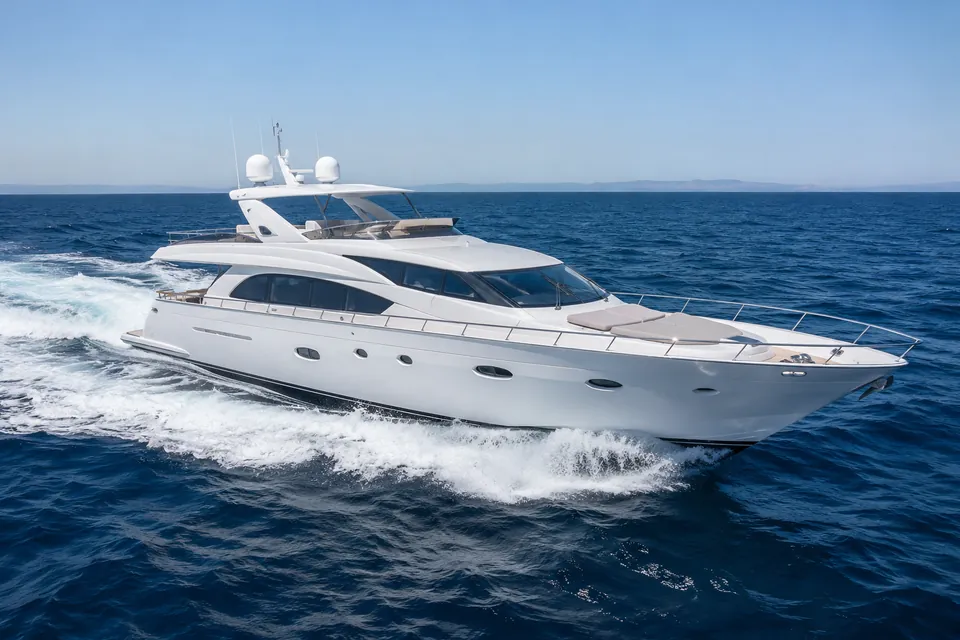
- What it lets you do
- You can use motorboats offshore, by day or night.
- How you get it
- You complete theory and a practical assessment in the approved course. The question count and pass mark are not specified.
- Where to study
- Study it in Academy
Capitán de velero · Offshore sailboat master
From 18- What it lets you do
- You can use sailboats offshore, by day or night.
- How you get it
- You complete theory and a practical assessment in the approved course. The question count and pass mark are not specified.
- Where to study
- Study it in Academy
Professional deck titles
Marinero de puente / Marinero de primera de puente
STCW II/4; II/5- What it lets you do
- You can serve as a lookout or helmsman under II/4, or as a deck watch rating under II/5. Both roles are on seagoing ships of at least 500 GT.
- Where to study
- Study it in Academy
Oficial de puente de buques de arqueo bruto inferior a 200, dedicados a viajes próximos a la costa / Oficial de puente de buques de arqueo bruto inferior a 500, dedicados a viajes próximos a la costa
STCW VII/2; II/3 and VII/2- What it lets you do
- On ships under 200 GT, you can be a watch officer. On ships under 500 GT, you can be a watch officer or master on ships under 200 GT; both are near-coastal.
- Where to study
- Study it in Academy
Capitán de buques de arqueo bruto inferior a 500, dedicados a viajes próximos a la costa
STCW II/3- What it lets you do
- You can be master on ships under 500 GT on voyages near the coast.
- Where to study
- Study it in Academy
Oficial de puente de buques sin límites de arqueo bruto
STCW II/1- What it lets you do
- You can serve as a navigational watch officer without a tonnage limit.
- Where to study
- Study it in Academy
Primer oficial de puente de buques de arqueo bruto entre 500 y 3000 / Primer oficial de puente de buques de arqueo bruto igual o superior a 3000
STCW II/2- What it lets you do
- On ships between 500 and 3,000 GT, you can be chief mate or an unlimited watch officer. On ships of 3,000 GT or more, you can be unlimited chief mate or master on ships under 3,000 GT.
- Where to study
- Study it in Academy
Capitán de buques sin límite de arqueo bruto
STCW II/2- What it lets you do
- You can be master of seagoing ships without a tonnage limit, on domestic and international voyages.
- Where to study
- Study it in Academy
Radio certificates
Operador restringido del SMSSM
ROC- What it lets you do
- You complete GMDSS restricted-operator training, listed by DICAPI as IMO model course 1.26.
- Where to study
- Study it in Academy
Operador General del Sistema Mundial de Socorro y Seguridad Marítima, SMSSM
GOC- What it lets you do
- You complete GMDSS general-operator training, listed by DICAPI as IMO model course 1.25.
- Where to study
- Study it in Academy
Certificado Radioelectrónico de Segunda Clase para personal de radio del Sistema Global de Socorro y Seguridad Marítimo
- What it lets you do
- You complete second-class GMDSS radioelectronic certificate training, under IMO model course 1.31.
- Where to study
- Study it in Academy
Ready to study for it?
The Academy is free with an account: lessons for every topic, timed mocks marked like the real exam, and your progress saved.
Official sources: DICAPI — Consolidated Reglamento del Decreto Legislativo Nº 1147, Articles 65–75, 370.3 and 488–493 · El Peruano / DICAPI — Decreto Supremo Nº 015-2014-DE, Article 370.3: professional titles and STCW rules · El Peruano — Resolución Directoral Nº 855-2021/MGP/DICAPI: recreational courses and theory/practical assessment · DICAPI — Anexo A: Cursos Modelo de la Organización Marítima Internacional (OMI), courses 1.25, 1.26 and 1.31 · Dirección de Hidrografía y Navegación — Manual del Navegante, section 9.14: Peru uses IALA Region B · El Peruano — Resolución Directoral Nº 228-2026 MGP/DICAPI: updated IMO model-course list, published 24 April 2026