United Kingdom
- Who issues it
- Maritime and Coastguard Agency (MCA); Royal Yachting Association (RYA) for MCA-authorised qualifications and the UK ICC; navigation authorities for inland boat registration or licensing.
- Buoyage
- IALA region A
- Collision rules
- COLREG
Do you need a licence?
No, a UK private pleasure boat is generally exempt if it is below 24 metres or below 80 GT.
You don't need one for:
- a private pleasure boat below 24 metres
- a private pleasure boat below 80 GT
If it is both 24 metres or more and 80 GT or more, manning rules apply. Inland waterways usually require boat registration or licensing, so check the navigation authority.
RYA Powerboat Level 2 certificate
From 12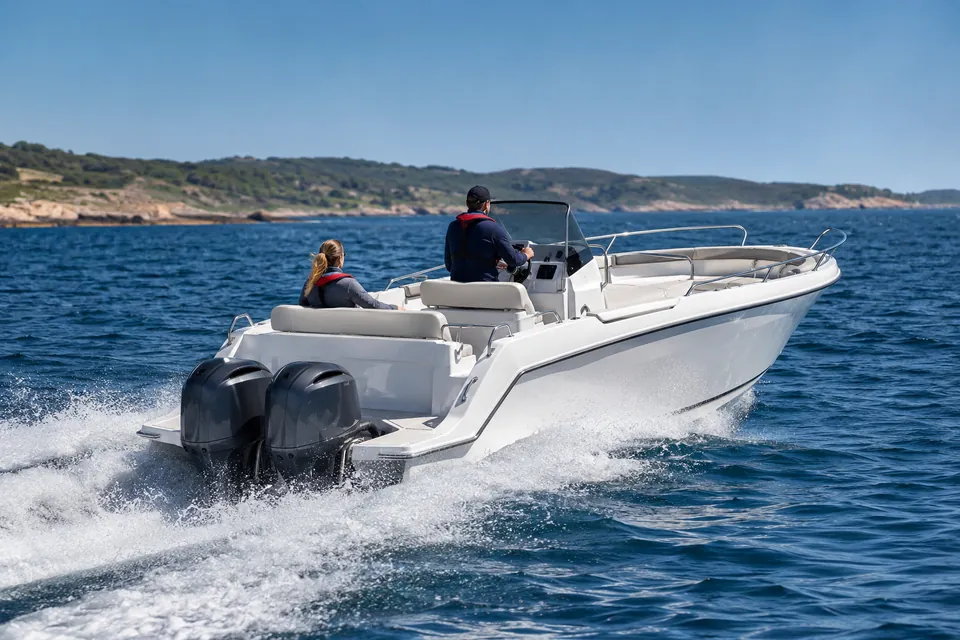
- What it lets you do
- This voluntary qualification shows that you can handle a powerboat on inland or coastal waters. Your certificate records the type of boat you used.
- Where to study
- Study it in Academy
RYA Day Skipper Practical certificate
From 16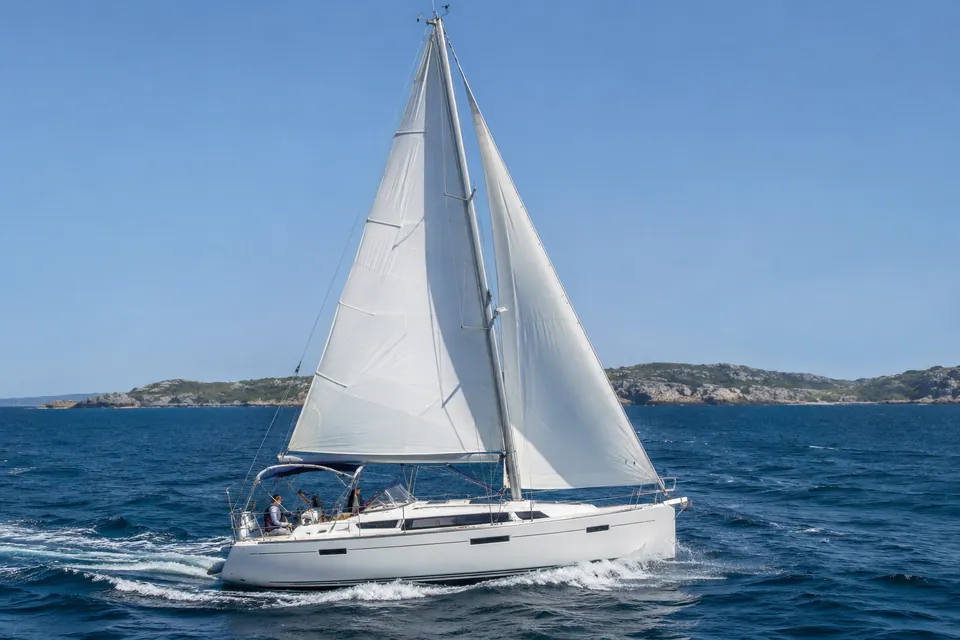
- What it lets you do
- This voluntary qualification prepares you to skipper in familiar waters by day. You can take the separate sail or motor version.
- Where to study
- Read the guideFree mock exam · 30 questionsStudy it in Academy
RYA/MCA Advanced Powerboat Certificate of Competence
From 17- What it lets you do
- This voluntary qualification shows that you can skipper a powerboat by day and at night.
- How you get it
- You take a practical exam by day and at night, lasting 4 to 5 hours for one candidate.
- Where to study
- Study it in Academy
RYA/MCA Yachtmaster Coastal Certificate of Competence
From 17- What it lets you do
- This voluntary qualification shows that you can skipper coastal passages. You can have a sail or power endorsement.
- How you get it
- You take a practical exam lasting 6 to 10 hours for one candidate.
- Where to study
- Study it in Academy
RYA/MCA Yachtmaster Offshore Certificate of Competence
From 18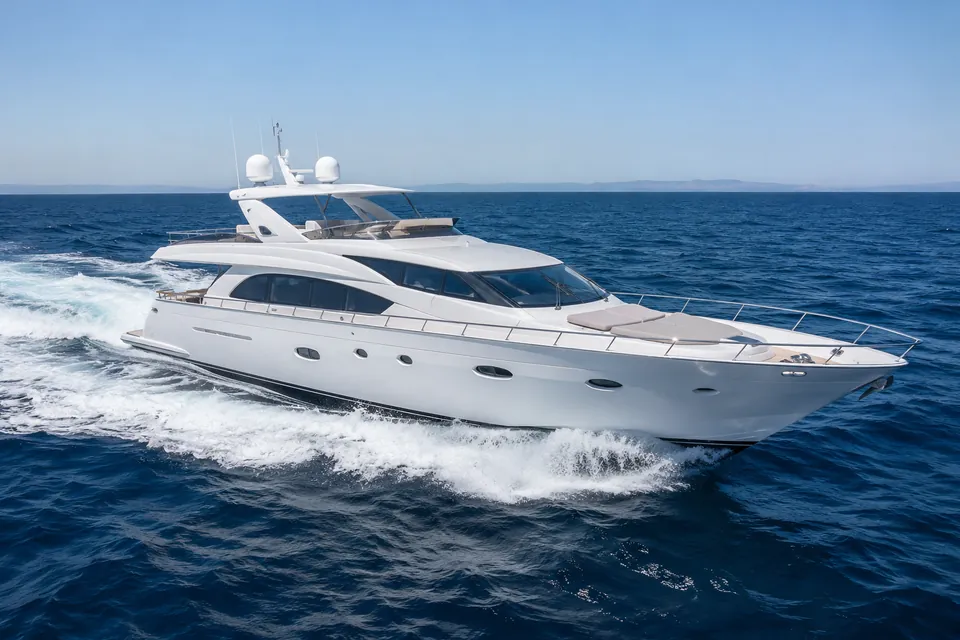
- What it lets you do
- This voluntary qualification covers cruising passages no more than 150 miles from harbour, by day or at night. You can have a sail or power endorsement.
- How you get it
- You take a practical exam lasting 8 to 12 hours for one candidate.
- Where to study
- Study it in Academy
RYA/MCA Yachtmaster Ocean Certificate of Competence
- What it lets you do
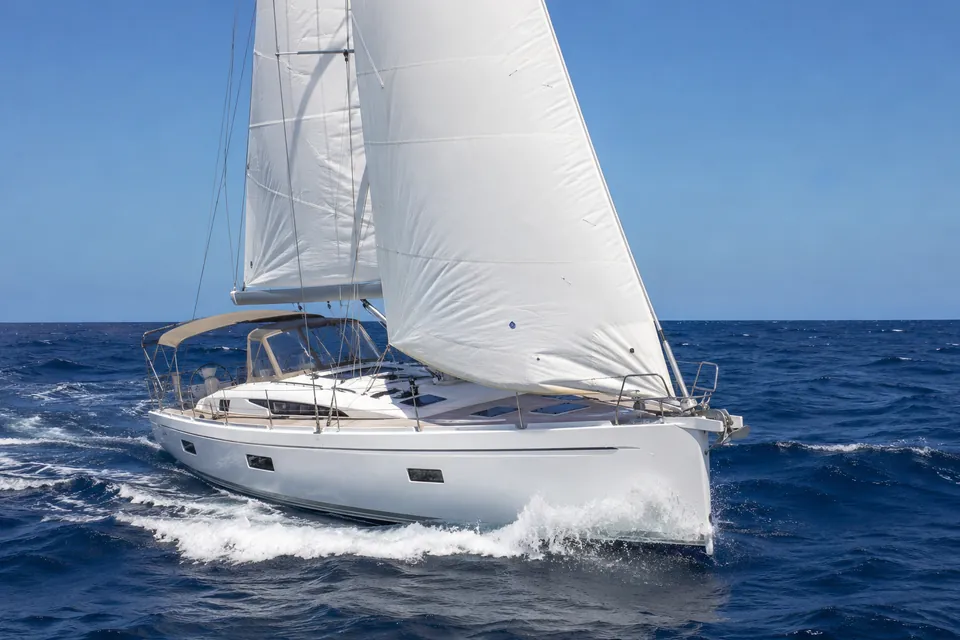
- This voluntary qualification shows that you can skipper vessels up to 200 GT on passages of any length worldwide.
- How you get it
- You take oral and written tests, although specified qualifications exempt you from the written test. You must also complete a qualifying ocean passage.
- Where to study
- Study it in Academy
International Certificate for Operators of Pleasure Craft
From 16- What it lets you do
- This gives you evidence of pleasure-craft competence for use abroad, within the categories shown on your certificate. Check the rules at your destination.
- How you get it
- You need a qualifying certificate or an ICC assessment. For inland validation, you also need a CEVNI multiple-choice test.
- Where to study
- Study it in Academy
More exam guides
RYA Yachtmaster — UK
RYA Yachtmaster Coastal and Offshore are certificates of competence assessed through practical examinations with separate experience requirements.
Professional deck titles
Navigational Watch Rating Certificate of Proficiency
STCW II/4- What it lets you do
- You can join the bridge watch as a deck rating on seagoing ships of at least 500 GT.
- Where to study
- Study it in Academy
Able Seafarer Deck Certificate of Proficiency
STCW II/5- What it lets you do
- You can work as an able seafarer in a seagoing ship's deck department.
- Where to study
- Study it in Academy
Officer of the Watch / Master Certificates of Competency (Near-Coastal)
STCW II/3- What it lets you do
- You can serve as OOW or Master on ships under 500 GT, or as Master on ships under 3,000 GT on approved UK routes. For hovercraft, there is a separate Master certificate.
- Where to study
- Study it in Academy
Officer of the Watch Unlimited Certificate of Competency
STCW II/1- What it lets you do
- You can keep a navigational watch without tonnage or trading-area limits.
- Where to study
- Study it in Academy
Chief Mate Certificate of Competency
STCW II/2- What it lets you do
- You can serve as chief mate on ships under 3,000 GT or without a tonnage limit. Your endorsement covers a near-coastal or unlimited area.
- Where to study
- Study it in Academy
Master Certificate of Competency
STCW II/2- What it lets you do
- You can serve as Master on ships under 3,000 GT or without a tonnage limit in unlimited areas, or on ships without a tonnage limit in near-coastal waters.
- Where to study
- Study it in Academy
Radio certificates
Short Range Certificate
SRC- What it lets you do
- You can operate VHF and VHF DSC on UK vessels with voluntary radio fitment.
- Where to study
- Study it in Academy
Long Range Certificate
LRC- What it lets you do
- You can operate VHF, MF and HF on non-SOLAS vessels. Satellite operation requires the satellite endorsement.
- Where to study
- Study it in Academy
Restricted Operator’s Certificate
ROC- What it lets you do
- You can operate GMDSS in sea area A1. An STCW endorsement is required for STCW service.
- Where to study
- Study it in Academy
General Operator’s Certificate
GOC- What it lets you do
- You can operate GMDSS in sea areas A1 to A4. An STCW endorsement is required for STCW service.
- Where to study
- Study it in Academy
Ready to study for it?
The Academy is free with an account: lessons for every topic, timed mocks marked like the real exam, and your progress saved.
Official sources: Maritime and Coastguard Agency — MGN 599 (M) Amendment 1: Pleasure vessels · Maritime and Coastguard Agency — Deck Officers and Ratings (links to MSN 1856 and MSN 1862) · Maritime and Coastguard Agency — MIN 643: Short Course Approval Process Guidance (Annex D: GMDSS) · Royal Yachting Association — MCA authorisation · Royal Yachting Association — About the UK ICC issued by RYA · Trinity House — IALA Maritime Buoyage System