South Africa
- Who issues it
- South African Maritime Safety Authority (SAMSA); South African Sailing issues authorised recreational sailing certificates.
- Minimum age
- 16 years
- Buoyage
- IALA region A
- Collision rules
- Merchant Shipping (Collision and Distress Signals) Regulations, 2005
Do you need a licence?
Yes, at sea or inland a motorboat over 15 hp or sailboat at least 9 metres needs a certified skipper operating or constantly guiding it.
You don't need one for:
- a motorboat up to 15 hp
- a sailboat below 9 metres
- a qualifying tender
The sea rule covers pleasure boats under 100 GT. Certificates start at 16; if you are under 16 on a boat over 15 hp, you need supervision or authorised sport training.
Interim Certificate of Competence (Hire Boats)
- What it lets you do
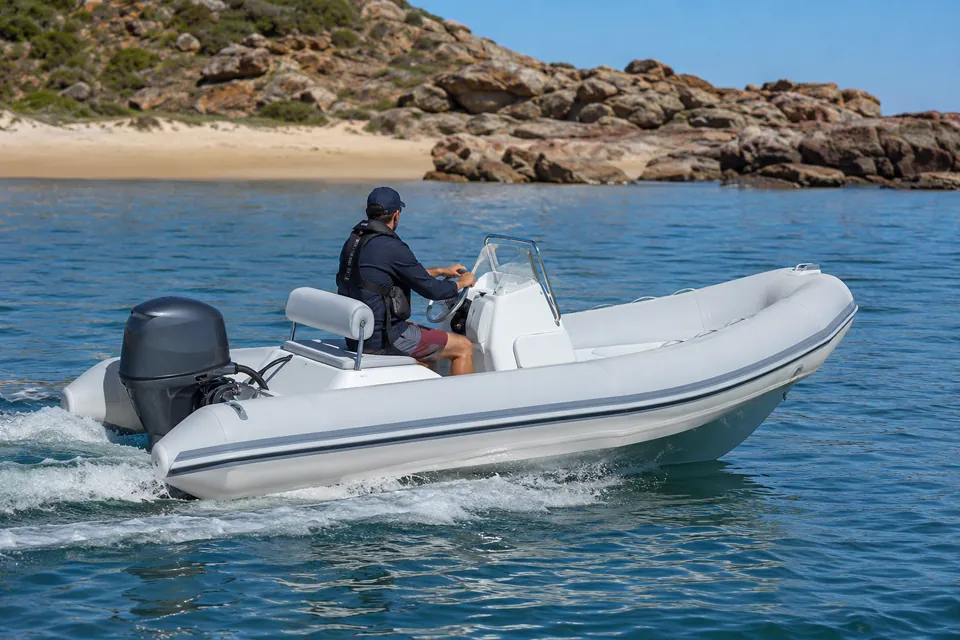
- You can operate a Category R hire boat, limited to the named operator, boat type and inland area.
- How you get it
- You complete theory and practical training provided by the operator, followed by assessment from an accredited examiner.
- Where to study
- Study it in Academy
Skipper – Inland Waters (Restricted)
From 16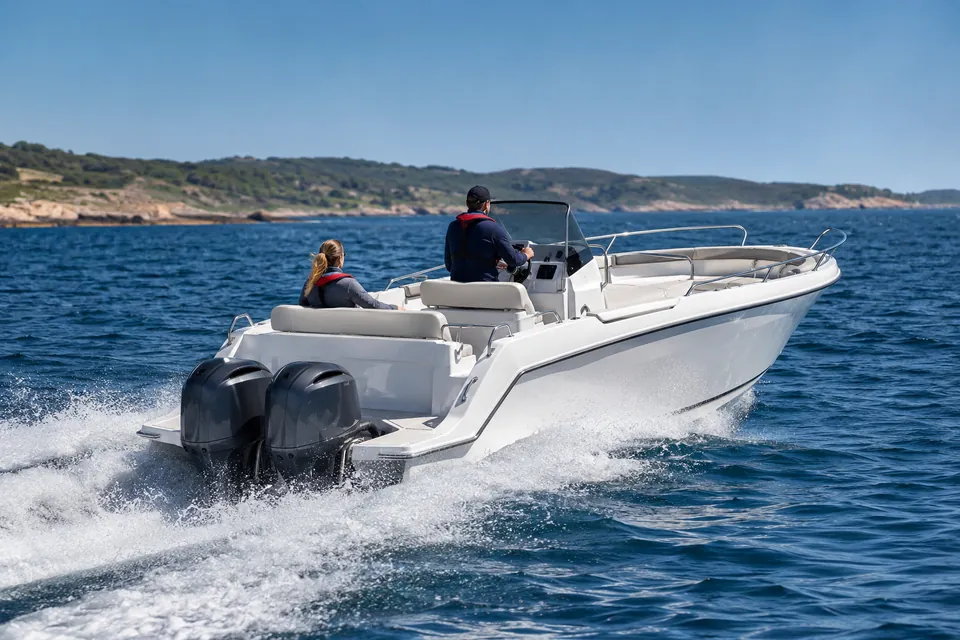
- What it lets you do
- You can operate motorboats in the specified inland area, with boat size, type and operating hours as endorsed.
- How you get it
- You take an oral and practical assessment, with no written paper.
- Where to study
- Study it in Academy
Skipper – Inland Waters
From 16- What it lets you do
- You can operate Category R motorboats on inland waters, in ports, estuaries and lagoons, by day and night.
- How you get it
- You take written, oral and practical assessments. The written sections require 60 percent in chartwork, 60 percent in emergencies, seamanship and weather, and 50 percent in power, law and construction.
- Where to study
- Study it in Academy
Inland Waters Skipper (Sail and Power)
From 16- What it lets you do
- You can operate sailboats and motorboats under 100 GT on inland waters, by day and night.
- How you get it
- You take a combined navigation and COLREG paper, plus oral and practical assessments.
- Where to study
- Study it in Academy
Day Skipper – Local Waters (Restricted), <9m or ≥9m
From 16- What it lets you do
- You can operate motorboats by day in a specified sea area, with length, launch site and distance as endorsed.
- How you get it
- You take an oral and practical assessment, with no written paper.
- Where to study
- Study it in Academy
Day Skipper Category E, <9m or ≥9m
From 16- What it lets you do
- You can operate motorboats by day up to 1 nautical mile offshore and up to 15 nautical miles from an approved launch site; inland, you can operate by day and night. Your certified length class applies.
- How you get it
- You take written, oral and practical assessments. The written sections require 60 percent in chartwork, 60 percent in emergencies, seamanship and weather, and 50 percent in power, law and construction.
- Where to study
- Study it in Academy
Day Skipper Category C, <9m or ≥9m
From 16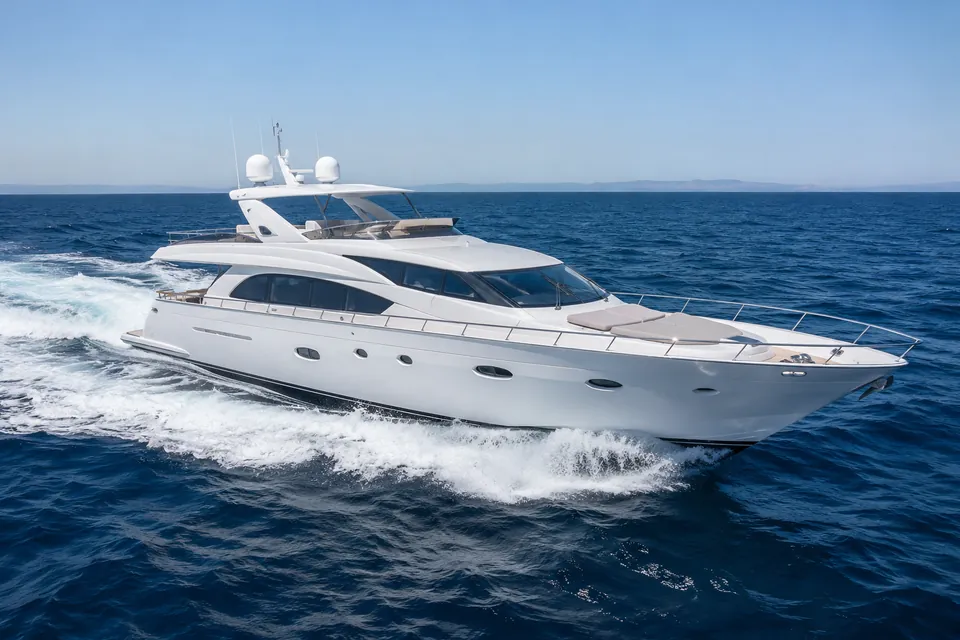
- What it lets you do
- You can operate motorboats by day up to 15 nautical miles offshore; inland, you can operate by day and night. Your certified length class applies.
- How you get it
- You take written, oral and practical assessments. The written sections require 60 percent in chartwork, 60 percent in emergencies, seamanship and weather, and 50 percent in power, law and construction.
- Where to study
- Study it in Academy
Day Skipper (Sail and Power)
From 16- What it lets you do
- You can operate sailboats and motorboats under 100 GT. For sail, you can go in daylight up to 15 nautical miles from your home port, or up to 25 nautical miles when within 15 nautical miles of a safe haven; for power, you can go in daylight up to 15 nautical miles offshore and inland by day and night.
- How you get it
- You take navigation and COLREG and IALA written papers, a practical yacht exam and an oral assessment.
- Where to study
- Study it in Academy
Local Waters Skipper (Sail and Power)
From 16- What it lets you do
- You can operate sailboats and motorboats under 100 GT by day and night. For sail, you can go up to 15 nautical miles from your home port, or up to 25 nautical miles when within 15 nautical miles of a safe haven; for power, you can go up to 15 nautical miles offshore and also inland.
- How you get it
- You take a COLREG assessment, an oral assessment and a night practical that includes man overboard and port entry. There is no chartwork paper.
- Where to study
- Study it in Academy
Day Skipper Category B, <9m or ≥9m
From 16- What it lets you do
- You can operate motorboats by day up to 40 nautical miles offshore; inland, you can operate by day and night. Your certified length class applies.
- How you get it
- You take written, oral and practical assessments; a Category C upgrade may waive the written paper.
- Where to study
- Study it in Academy
Coastal Skipper, <9m or ≥9m
From 16- What it lets you do
- You can operate motorboats by day and night up to 40 nautical miles offshore and on inland waters. Your certified length class applies, and the boats are pleasure boats under 100 GT.
- How you get it
- You take written, oral and practical assessments. The written sections require 60 percent in chartwork, 60 percent in emergencies, seamanship and weather, and 50 percent in power, law and construction.
- Where to study
- Study it in Academy
Coastal Skipper (Sail and Power)
From 16- What it lets you do
- You can operate sailboats and motorboats under 100 GT by day and night, within 40 nautical miles of the coast, and on inland waters.
- How you get it
- You take navigation and COLREG and IALA written papers, a practical yacht exam and an oral assessment.
- Where to study
- Study it in Academy
Skipper Offshore <9m
From 18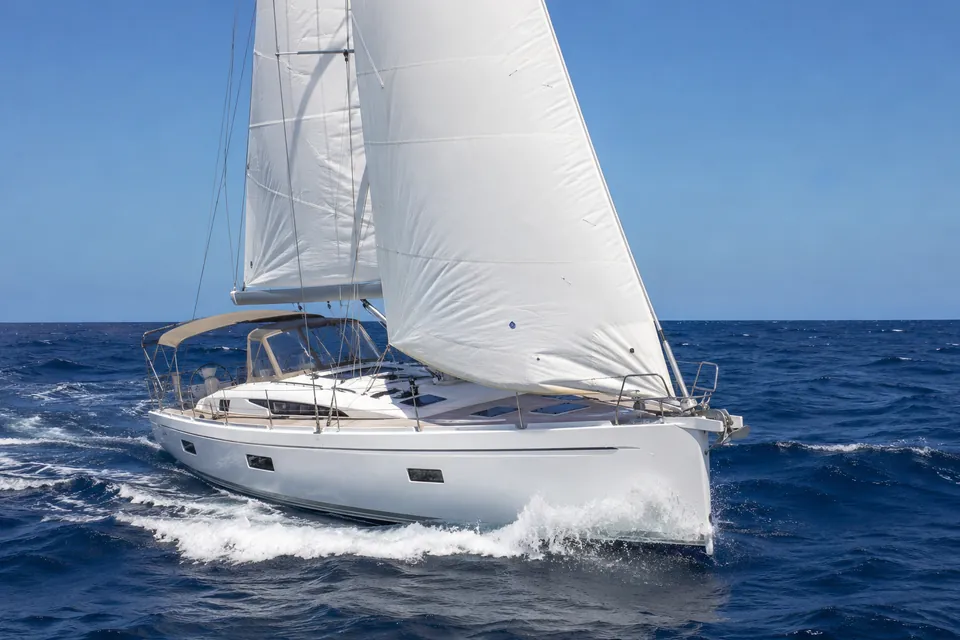
- What it lets you do
- You can take motorboats under 9 metres on ocean passages by day and night, and on inland waters.
- How you get it
- You take written, oral and practical assessments. The written sections require 60 percent in chartwork, 60 percent in emergencies, seamanship and weather, and 50 percent in power, law and construction.
- Where to study
- Study it in Academy
Skipper Offshore ≥9m (Pleasure)
From 16- What it lets you do
- You can take motor pleasure boats of 9 metres or more and under 100 GT on ocean passages by day and night, and on inland waters.
- How you get it
- You take written, oral and practical assessments. The written sections require 60 percent in chartwork, 60 percent in emergencies, seamanship and weather, and 50 percent in power, law and construction.
- Where to study
- Study it in Academy
Yachtmaster Offshore (Sail and Power)
From 16- What it lets you do
- You can take sailboats and motorboats under 100 GT on ocean passages by day and night, and on inland waters.
- How you get it
- You take written navigation and COLREG and IALA papers and an oral assessment; you take a practical assessment if the examiner requires it.
- Where to study
- Study it in Academy
Yachtmaster Ocean (Sail and Power)
From 16- What it lets you do
- You can take sailboats and motorboats under 100 GT on ocean passages, with added celestial-navigation competence.
- How you get it
- You take a written celestial-navigation exam and an oral assessment, with no COLREG paper.
- Where to study
- Study it in Academy
International Certificate for Operators of Pleasure Craft (ICC)
From 16- What it lets you do
- For coastal waters, you can operate sail or power craft under 24 metres, or power craft under 9 metres, as endorsed. It is available only to eligible nationalities or residents.
- How you get it
- You receive this based on an eligible SA Sailing Day Skipper or higher, or a SAMSA Category C or higher certificate.
- Where to study
- Study it in Academy
More exam guides
South African boat licence (Day Skipper and Coastal Skipper)
This national certificate lets you skipper a motor-driven small vessel: Day Skipper is for daylight sea trips within the limits on your certificate, while Coastal Skipper covers Category B coastal passages by day or night, less than 40 nautical miles from shore. Your vessel's safety certificate also sets limits.
Professional deck titles
Ordinary Seafarer Deck
STCW II/4- What it lets you do
- You can work as a deck rating and form part of a navigational watch.
- Where to study
- Study it in Academy
Able Seafarer Deck
STCW II/5- What it lets you do
- You can work as a qualified deck rating with additional deck and watchkeeping competence.
- Where to study
- Study it in Academy
Officer in charge of navigational watch (<500 GT near-coastal)
STCW II/3- What it lets you do
- You can act as navigational watch officer on ships under 500 GT on near-coastal voyages.
- Where to study
- Study it in Academy
Officer in Charge of a Navigational Watch
STCW II/1- What it lets you do
- You can act as navigational watch officer on ships of any tonnage on unlimited voyages.
- Where to study
- Study it in Academy
Chief Mate
STCW II/2- What it lets you do
- You can serve as chief mate on ships of any tonnage on unlimited voyages.
- Where to study
- Study it in Academy
Master
STCW II/2- What it lets you do
- You can command ships of any tonnage on unlimited voyages.
- Where to study
- Study it in Academy
Radio certificates
Short Range Certificate
SRC- What it lets you do
- You can use marine VHF with DSC on non-SOLAS vessels.
- Where to study
- Study it in Academy
Long Range Certificate
LRC- What it lets you do
- You can use non-SOLAS marine radio, including VHF and MF and HF with DSC, plus satellite communications.
- Where to study
- Study it in Academy
GMDSS general operator's certificate
GOC- What it lets you do
- You can carry out GMDSS radio duties on ships subject to SOLAS radio requirements.
- Where to study
- Study it in Academy
GMDSS first-class radio electronic certificate
- What it lets you do
- You can hold this professional GMDSS radio and electronic qualification, which is issued by conversion.
- Where to study
- Study it in Academy
GMDSS second-class radio electronic certificate
- What it lets you do
- You can hold this professional GMDSS radio and electronic qualification, which is issued by conversion.
- Where to study
- Study it in Academy
Ready to study for it?
The Academy is free with an account: lessons for every topic, timed mocks marked like the real exam, and your progress saved.
Official sources: SAMSA — Marine Notice 13 of 2011: Small Vessel Policy, including certificate limits and examinations · Department of Transport / Department of Water and Sanitation — Merchant Shipping (National Small Vessel Safety) Regulations, 2007, regulations 14, 16 and 18 · Department of Transport — Merchant Shipping (Training, Certification and Safe Manning) Regulations, 2021 · South African Sailing — Skippers Tickets: prerequisites, examination process and ICC · SAMSA — Marine Notice 8 of 2016: Standards for Aids to Navigation in South African waters and Inland Waterways · SAMSA — Marine Notice 28 of 2018: The International Certificate of Competence; issue and recognition limits