Netherlands
- Who issues it
- Centraal Bureau Rijvaardigheidsbewijzen (CBR) [Central Office for Motor Vehicle Driver Testing] — recreational licences and radio certificates.
- Minimum age
- 18 years
- Buoyage
- IALA region A
- Collision rules
- Internationale Bepalingen ter voorkoming van aanvaringen op zee, 1972
Do you need a licence?
Inland, you need a licence for a boat at least 15 metres long or capable of over 20 km/h through the water.
You don't need one for:
- a human-powered boat
- an inland boat below 15 metres that cannot exceed 20 km/h through the water
Dutch licences start at 18. The helm age is usually 16, or 12 for an open motorboat under 7 metres capable of up to 13 km/h; there is no helm-age requirement for a sail or rowing boat under 7 metres.
Klein Vaarbewijs I · Small Boat Licence I
From 18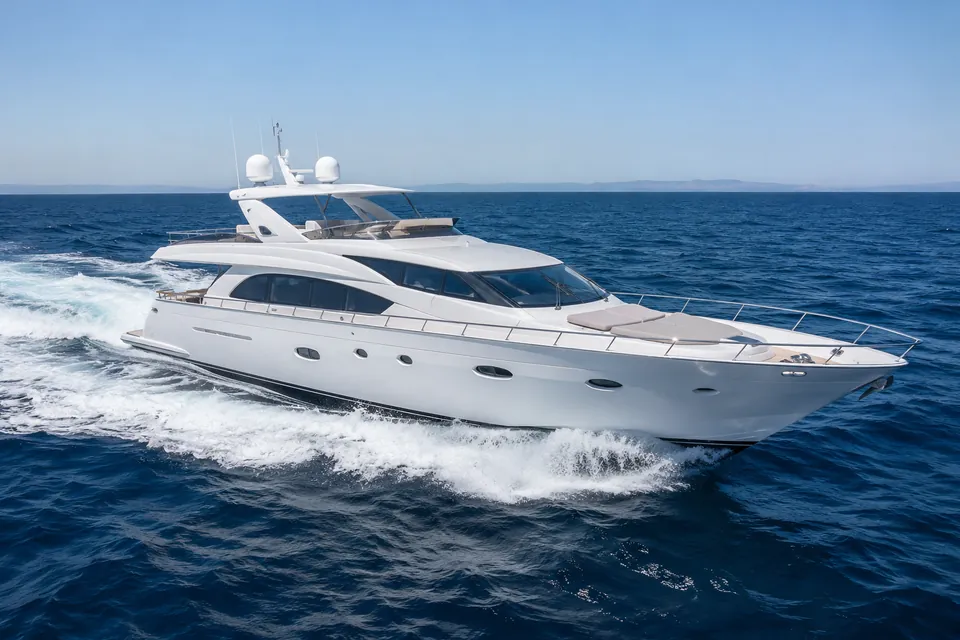
- What it lets you do
- You can use pleasure craft under 25 metres, including fast motorboats, on rivers, canals, smaller lakes and the Gouwzee.
- How you get it
- You take a theory exam with 40 questions on rules, safety, engines, weather and boat handling. There is no practical exam.
- Where to study
- Read the guideFree mock exam · 40 questionsStudy it in Academy
Klein Vaarbewijs II · Small Boat Licence II
From 18- What it lets you do
- You can use pleasure craft under 25 metres, including fast motorboats, on Dutch inland waters, including IJsselmeer, Waddenzee and Oosterschelde.
- How you get it
- You pass KVB1 and KVB2, including 27 theory questions on larger waters, charts, weather and navigation. There is no practical exam.
- Where to study
- Read the guideFree mock exam · 40 questionsStudy it in Academy
Sportpatent · Rhine Pleasure Craft Patent
From 18- What it lets you do
- You can use pleasure craft under 25 metres on the Rhine above Spijksche Veer. The stretches you may use depend on the exams you have passed.
- How you get it
- You take a CBR oral exam on Rhine rules, manoeuvring and local geography. Klein Vaarbewijs I and a radio certificate are prerequisites.
- Where to study
- Study it in Academy
Groot Pleziervaartbewijs I · Large Pleasure Craft Licence I
From 18- What it lets you do
- You can use pleasure craft from 25 metres to under 40 metres on rivers, canals and smaller lakes. For 40 metres or more, you need the 40 metre plus endorsement.
- Where to study
- Read the guideStudy it in Academy
Groot Pleziervaartbewijs II · Large Pleasure Craft Licence II
From 18- What it lets you do
- You can use pleasure craft from 25 metres to under 40 metres on Dutch inland waters. For 40 metres or more, you need the 40 metre plus endorsement.
- How you get it
- You need KVB1 and KVB2, plus the Groot motorschip A and B theory exams and a Groot motorschip practical exam. You also need a radio certificate.
- Where to study
- Read the guideStudy it in Academy
ICC Coastal · International Certificate of Competence — Coastal Waters
- What it lets you do
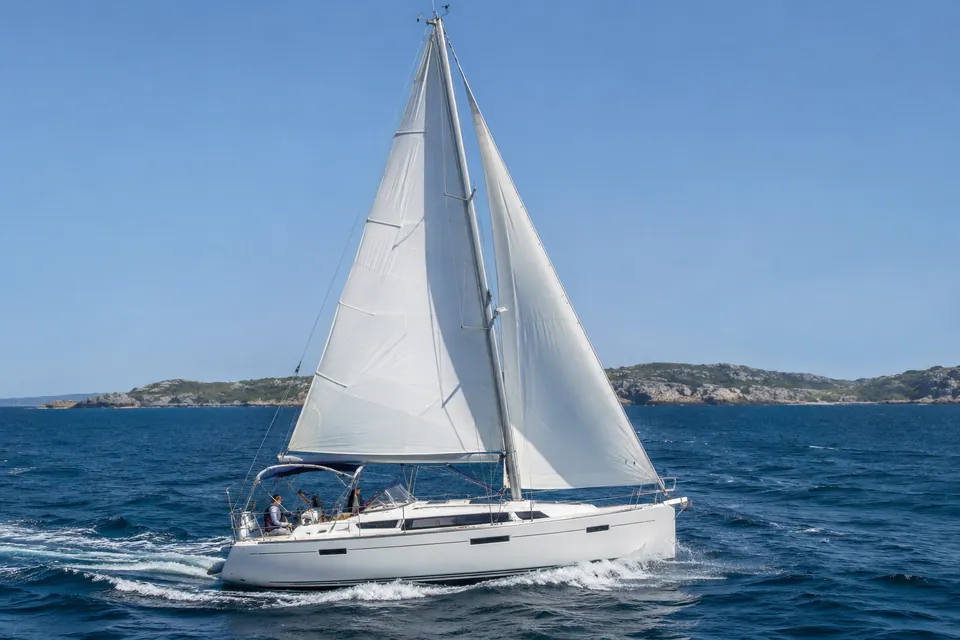
- You may choose this optional international coastal competence certificate, issued on a recognised Theoretische Kustnavigatie certificate.
- Where to study
- Study it in Academy
More exam guides
Klein Vaarbewijs II
Het Klein Vaarbewijs II is de uitbreiding op het Klein Vaarbewijs I. Je vaart er ook mee op de grotere Nederlandse wateren, zoals de Waddenzee, het IJsselmeer en de Oosterschelde.
Professional deck titles
Vaarbevoegdheidsbewijs wachtlopend gezel dek
STCW II/4- What it lets you do
- You can work as a deck-watch rating on seagoing ships of 500 GT or more.
- Where to study
- Study it in Academy
Vaarbevoegdheidsbewijs gekwalificeerd gezel dek
STCW II/5- What it lets you do
- You can work as an able seafarer in the deck department of seagoing ships of 500 GT or more.
- Where to study
- Study it in Academy
Vaarbevoegdheidsbewijs wachtstuurman
STCW II/1, II/3- What it lets you do
- You can be a navigational watch officer. II/3 applies to smaller-ship variants, so follow the limits on your certificate.
- Where to study
- Study it in Academy
Vaarbevoegdheidsbewijs eerste stuurman
STCW II/2, II/3- What it lets you do
- You can be chief mate, next in command after the master. This includes smaller-ship variants under II/3.
- Where to study
- Study it in Academy
Vaarbevoegdheidsbewijs kapitein
STCW II/2, II/3- What it lets you do
- You can be master. II/2 or II/3 applies according to the ship and voyage limits on your certificate.
- Where to study
- Study it in Academy
Radio certificates
Basiscertificaat Marifonie
- What it lets you do
- You can use mainly inland VHF. On combined radios, you must use ATIS mode with DSC disabled.
- Where to study
- Study it in Academy
Beperkt Certificaat Maritieme Radiocommunicatie (Marcom-B)
ROC- What it lets you do
- You can use inland and coastal radio, including VHF DSC and GMDSS equipment, but not MF or HF.
- Where to study
- Study it in Academy
Algemeen Certificaat Maritieme Radiocommunicatie (Marcom-A)
GOC- What it lets you do
- You can use radio at sea, including MF, HF and GMDSS equipment.
- Where to study
- Study it in Academy
Ready to study for it?
The Academy is free with an account: lessons for every topic, timed mocks marked like the real exam, and your progress saved.
Official sources: CBR — Alle vaarbewijzen recreatievaart · ILT / Ministry of Infrastructure and Water Management — Binnenvaartregeling, articles 1.1, 7.8 and 7.25 · ILT / Ministry of Infrastructure and Water Management — Besluit bemanning zeeschepen, articles 1 and 3.2.2–3.2.10 · RDI — Examen en bedieningscertificaten voor radioapparatuur op het water · CBR — Sportpatent · ILT / Ministry of Infrastructure and Water Management — Besluit toepassingverklaring Internationale Bepalingen ter voorkoming van aanvaringen op zee, 1972