Brazil
- Who issues it
- Marinha do Brasil — Diretoria de Portos e Costas [Brazilian Navy — Directorate of Ports and Coasts], through Capitanias dos Portos, Delegacias and Agências.
- Minimum age
- 18 years
- Buoyage
- IALA region B
- Collision rules
- RIPEAM — Regulamento Internacional para Evitar Abalroamento no Mar
Do you need a licence?
Yes, for a recreational motorboat of any power or a sailboat over 6 metres.
You don't need one for:
- an unpowered boat up to 6 metres
- a floating device
Powered categories start at 18, while the optional Veleiro card starts at 8. Match your licence to the boat's registered navigation class and the waters you use.
Veleiro · Sailor
From 8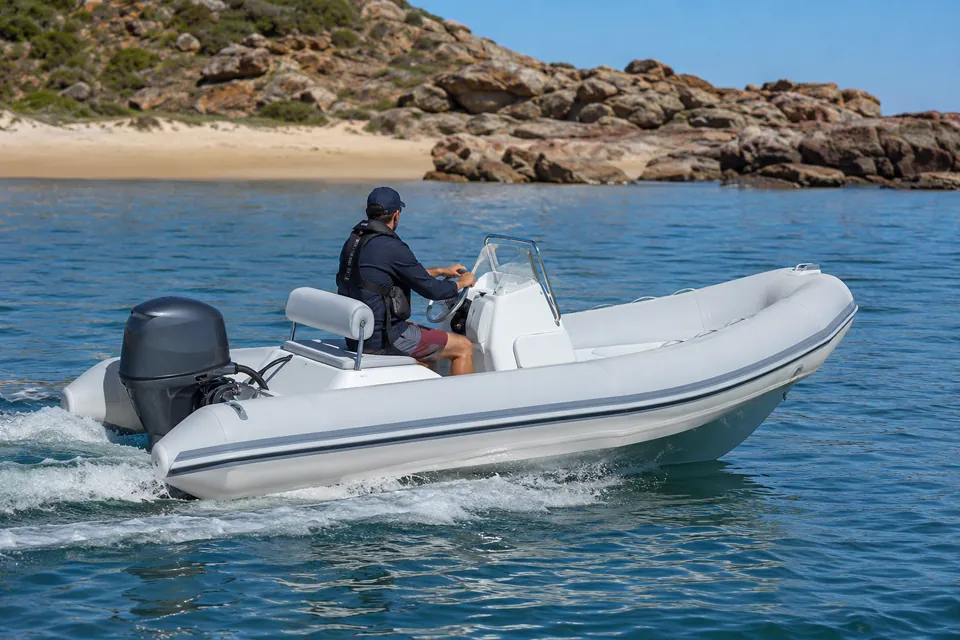
- What it lets you do
- This optional card covers sail-only boats up to 6 metres in inland waters. For a larger sailboat, you need Arrais, Mestre or Capitão for its registered navigation class.
- How you get it
- There is no Navy theory exam. A registered marina, club, nautical sports body or training provider must certify that you completed the sailing course.
- Where to study
- Study it in Academy
Motonauta Especial · Special personal-watercraft operator
From 18
- What it lets you do
- You can use rented personal watercraft in buoyed areas or on authorised guided trips, in daylight only and with no passengers. The permit lasts 30 days.
- How you get it
- There is no written exam; you complete a Navy video briefing and practical demonstration through an accredited rental establishment.
- Where to study
- Study it in Academy
Motonauta · Personal-watercraft operator
From 18- What it lets you do
- You can use personal watercraft within locally defined inland navigation limits, in daytime only.
- How you get it
- You answer 20 multiple-choice questions in 90 minutes and need 5 out of 10 to pass. Certified training, including practical instruction, is required.
- Where to study
- Study it in Academy
Arrais-Amador · Recreational inland skipper
From 18- What it lets you do
- You can use recreational boats within locally defined inland navigation limits, excluding personal watercraft.
- How you get it
- You answer 40 multiple-choice questions in up to 2 hours and need 5 out of 10 to pass. You also need a certificate of nautical training.
- Where to study
- Read the guideFree mock exam · 40 questionsStudy it in Academy
Mestre-Amador · Recreational coastal skipper
From 18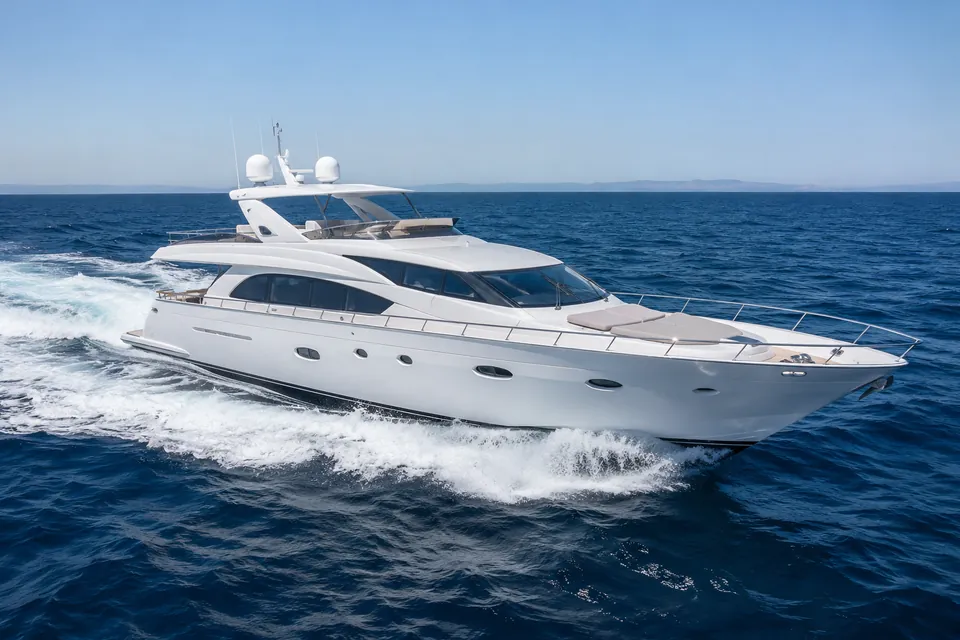
- What it lets you do
- You can use recreational boats within sight of the coast, up to 20 nautical miles offshore, including on foreign voyages, but not personal watercraft.
- How you get it
- You answer 40 multiple-choice questions, including 4 chart questions, in up to 3 hours and need 5 out of 10 to pass. You need Arrais-Amador first.
- Where to study
- Read the guideFree mock exam · 30 questionsStudy it in Academy
Capitão-Amador · Recreational ocean skipper
From 18- What it lets you do
- You can use recreational boats on domestic or international voyages with no coastal-distance limit, but not personal watercraft.
- How you get it
- You answer 40 written questions in 4 hours and need 5 out of 10 to pass. It covers celestial and electronic navigation, stability and weather, and you need Mestre-Amador first.
- Where to study
- Read the guideFree mock exam · 30 questionsStudy it in Academy
Professional deck titles
Moço de Convés
STCW II/4- What it lets you do
- Deck rating for general duties; navigational watchkeeping also requires qualifying sea service.
- Where to study
- Study it in Academy
Contramestre
STCW II/5- What it lets you do
- Senior deck rating for general deck supervision and navigational watches.
- Where to study
- Study it in Academy
Segundo Oficial de Náutica
STCW II/1- What it lets you do
- Officer in charge of a navigational watch; certificate restrictions depend on the training route.
- Where to study
- Study it in Academy
Primeiro Oficial de Náutica
STCW II/2- What it lets you do
- Senior deck officer; chief-mate and limited command privileges depend on endorsements and service.
- Where to study
- Study it in Academy
Capitão de Cabotagem
STCW II/2- What it lets you do
- Chief mate without limits; master in cabotage and only the international routes specified in the rules.
- Where to study
- Study it in Academy
Capitão de Longo Curso
STCW II/2- What it lets you do
- Master, chief mate or navigational watch officer without tonnage or navigation-area limits.
- Where to study
- Study it in Academy
Radio certificates
Certificado de Operador de Radiotelefonia Restrito
- What it lets you do
- Radiotelephony qualification for a deck crewmember on ships with radio equipment but no GMDSS.
- Where to study
- Study it in Academy
Certificado de Operador Radiotelefonista — Operador de Rádio Restrito (ORR)
- What it lets you do
- Anatel certificate for radio stations in Brazilian territory, waters and airspace only.
- Where to study
- Study it in Academy
Certificado de Operador Radiotelefonista — Operador de Rádio Geral (ORG)
- What it lets you do
- Anatel's general radiotelephony operator certificate.
- Where to study
- Study it in Academy
Certificado de Proficiência (DPC-1034) — Especial de Radioperador Geral (EROG)
GOC- What it lets you do
- Navy GMDSS qualification for sea areas A1, A2, A3 and A4, under STCW IV/2.
- Where to study
- Study it in Academy
Ready to study for it?
The Academy is free with an account: lessons for every topic, timed mocks marked like the real exam, and your progress saved.
Official sources: Marinha do Brasil — NORMAM-211/DPC, recreational boating rules · Marinha do Brasil — NORMAM-212/DPC, personal watercraft and operator rules · Marinha do Brasil — NORMAM-101/DPC, seafarer categories and Annex 2-A · Marinha do Brasil — NORMAM-201/DPC, section 1.14 and Annex 1-D: radio qualifications · Anatel — Ato nº 3449, de 11 de março de 2026: radiotelephony operator certificates · Senado Federal — Decreto nº 92.267/1986: IALA Region B