

Shipboard emergencies and who does what
1The lesson in plain words
Fire, collision, flooding and the rest can strike any ship. The master takes command, the crew work in teams, and you must know your own part from day one.
What can go wrong
A ship is an isolated workplace, often far from help. The emergencies you train for are fire, collision, grounding (striking the seabed), flooding, abandoning ship, man overboard (a person falling into the sea), pollution such as an oil spill, and security threats such as piracy or a stowaway. One can lead to another: a collision can bring flooding, fire and pollution at the same time. Help from shore may be hours or days away, so the crew must handle the first stage themselves.
Who is in charge
The master is in overall command in every emergency, normally from the bridge. The crew are organised in teams, for example a command team on the bridge, an emergency party (often a fire party led by the chief officer), an engine-room party under the chief engineer, and a support party for first aid, stretchers and survival craft. Names vary between companies; your ship's muster list tells you which team you are in.
Your part
As a new crew member you are not expected to lead, but you must know your duties. From the day you join, find your muster station (the place you report to in an emergency), your emergency duty, your lifejacket and immersion suit (a protective suit that reduces heat loss in cold water), and at least two ways out of every space where you work or sleep. Follow orders, report what you see, and never act alone in a dangerous space.
Why we train
In a real emergency people are frightened, it may be dark, the ship may be leaning to one side and the alarms are loud. Under stress you do what you have practised. That is why SOLAS, the International Convention for the Safety of Life at Sea, requires regular drills on board. The practical exercises of this basic training, such as putting on an immersion suit, jumping into a pool and righting a liferaft, are done in your approved course; these lessons give you the knowledge behind them.
2Key data
- Overall command
- The master, in every emergency
- STCW basis
- Regulation VI/1; Code table A-VI/1-1, personal survival
3Key points
- 1
Main emergencies: fire, collision, grounding, flooding, abandon ship, man overboard, pollution, security.
- 2
One emergency can trigger others; the crew must handle the first stage alone.
- 3
The master commands; the crew work in teams named in the muster list.
- 4
Know your muster station, duty, lifejacket, immersion suit and two escape routes from day one.
4Frequent mistakes
Wrong: As a new crew member, emergencies are for the officers to deal with.
Right: Every person has a duty in the muster list. Learn yours, and your station, on the day you join.
Wrong: One escape route from your cabin is enough.
Right: Smoke or damage can block any route. Know at least two ways out of every space you use.
Wrong: A collision is only a navigation problem.
Right: A collision can cause flooding, fire and pollution at once. Be ready for all of them.
5Practice case & exam keys
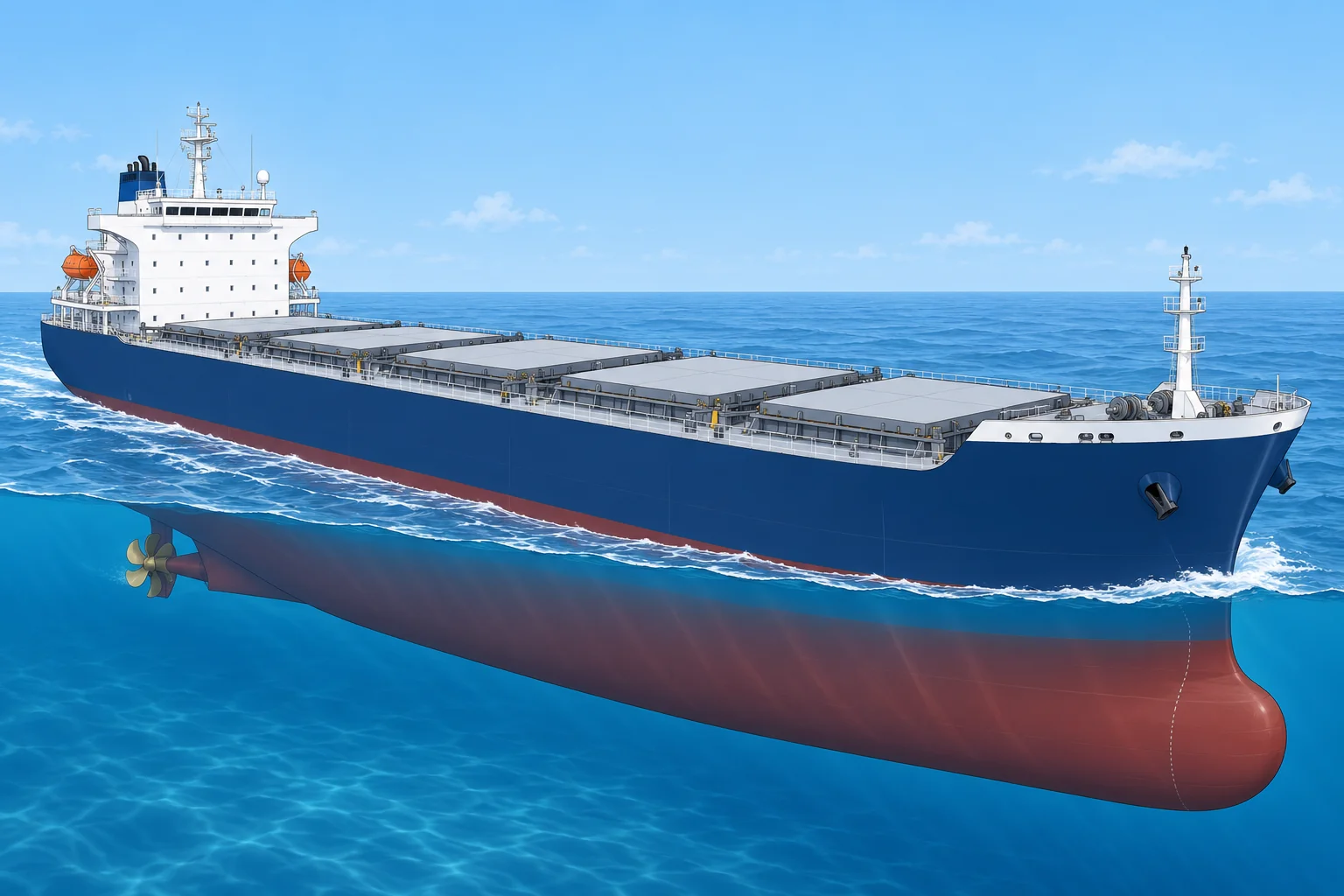
It is your second day on a bulk carrier. During a tour, the bosun (senior deck crew member) asks you what you would do if the alarm sounded at night while you were asleep. You are not sure where your muster station is.
Show the answer
Say so honestly and fix it now. Read your cabin card and the muster list to find your station and duty. Walk from your cabin to the muster station by the main route and by a second route. Find where your lifejacket and immersion suit are kept. Ask the bosun or an officer to explain anything you do not understand. Ask for safety familiarisation before you start any duties.
Exam keys
- Emergency types: fire, collision, grounding, flooding, abandon ship, man overboard, pollution, security.
- The master is in overall command; the crew work in teams such as command, emergency, engine and support.
- Know your muster station, duty, lifejacket, immersion suit and two escape routes.
- Drills exist because people under stress do what they have practised.
Finish this unit
When you've read it, answer three questions. Get all three right to finish the unit; opening the page alone doesn't count.
My notes for this unit
No notes