Angola
- Who issues it
- Agência Marítima Nacional (AMN) [National Maritime Agency]
- Minimum age
- 8 years
- Collision rules
- Regulamento Internacional para Evitar Abalroamentos no Mar (COLREG)
Do you need a licence?
Skippers need a licence or must be qualified registered seafarers. Exemptions cover boats under 5 m and under 4.5 kW by day inside port bars, and noncommercial unpowered craft under 5 m in sheltered or inland zones L2/L3. Inland boating needs an activity permit. Entry courses require a learner permit for practice.
Carta de desportista náutico · Water sports card
- What it lets you do
- For solo water sports at sea, such as windsurfing and surfing, that can affect navigation or people in recreation areas.
- How you get it
- Theory, plus practical if needed. Over 60% overall; at least 75% on COLREG, law and navigation, 60% on safety and radio.
- Where to study
- Study it in Academy
Principiante · Beginner licence
From 8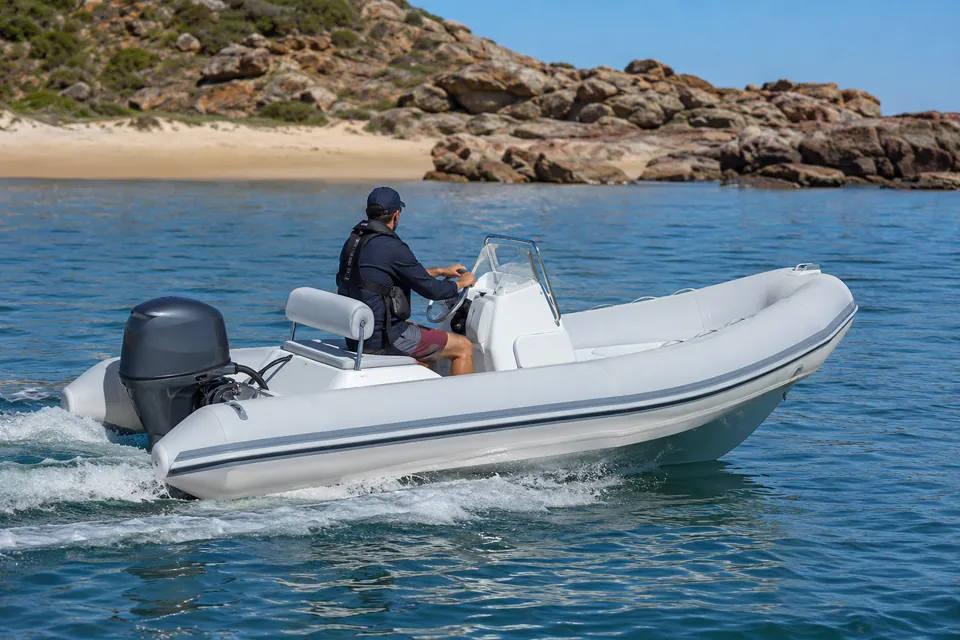
- What it lets you do
- Sail or motor boats up to 5 m and 4.5 kW, by day within 1 NM of the low-water line.
- How you get it
- Theory, plus practical if needed. Over 60% overall; at least 75% on COLREG, law and navigation, 60% on safety and radio.
- Where to study
- Study it in Academy
Carta de marinheiro · Sailor licence
From 14- What it lets you do
- By day, within 3 NM of shore and 6 NM of shelter. At 14–18, up to 5 m/22.5 kW. Over 18 up to 7 m/45 kW. Over 16 may use jet skis or powered boards of any power.
- How you get it
- Theory, plus practical if needed. Over 60% overall; at least 75% on COLREG, law and navigation, 60% on safety and radio.
- Where to study
- Study it in Academy
Patrão local · Local skipper
From 18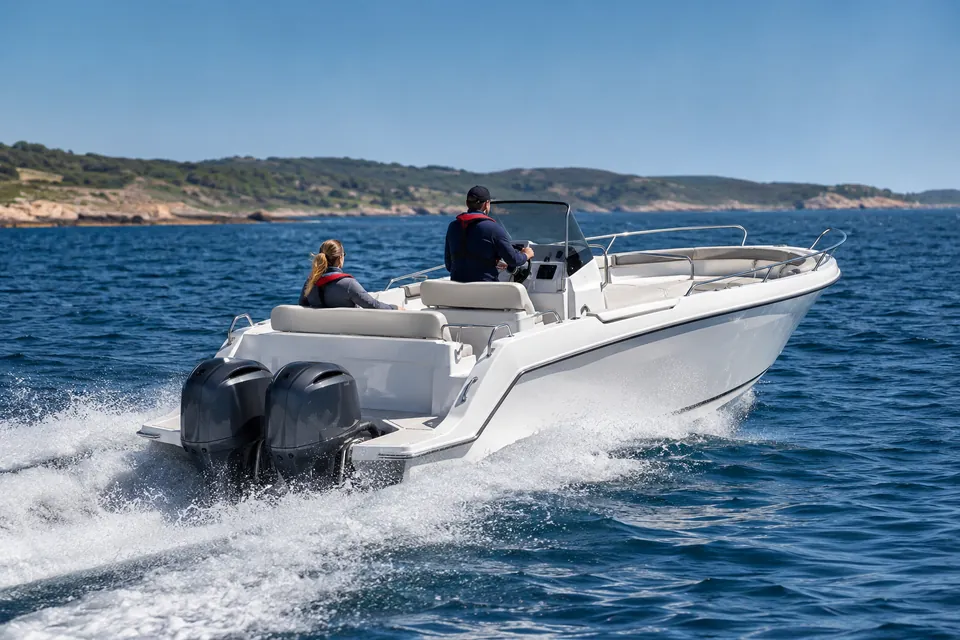
- What it lets you do
- Within sight of shore, up to 5 NM from the coast and 10 NM from a port of refuge.
- How you get it
- Theory, plus practical if needed. Over 60% overall; at least 75% on COLREG, law and navigation, 60% on safety and radio.
- Where to study
- Study it in Academy
Patrão de costa · Coastal skipper
From 18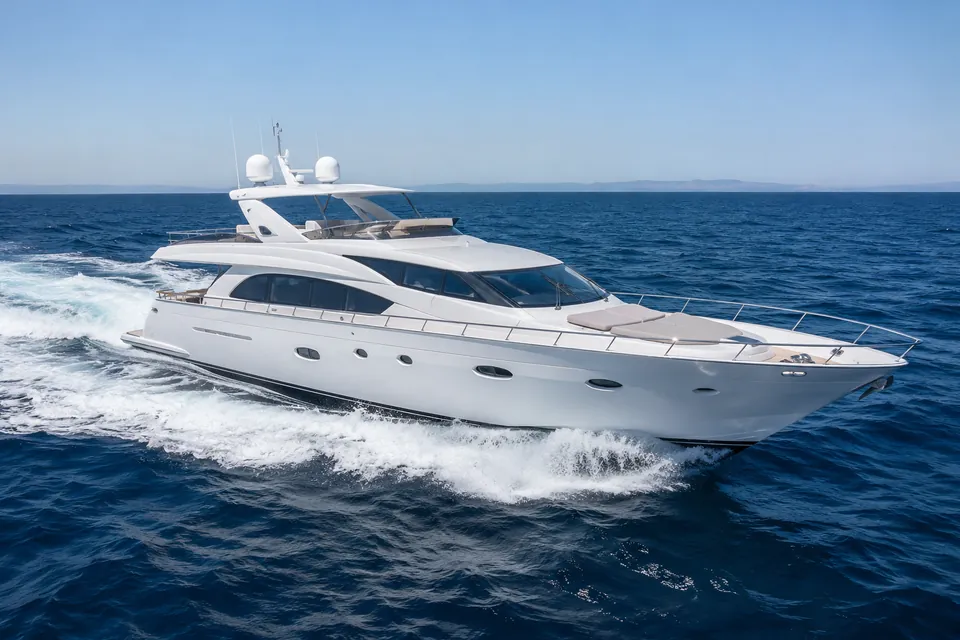
- What it lets you do
- Skipper recreational boats up to 25 NM from the coast.
- How you get it
- Theory, plus practical if needed. Over 60% overall; at least 75% on COLREG, law and navigation, 60% on safety and radio. Lower tier held 1+ year.
- Where to study
- Study it in Academy
Patrão de alto mar · Offshore skipper
From 18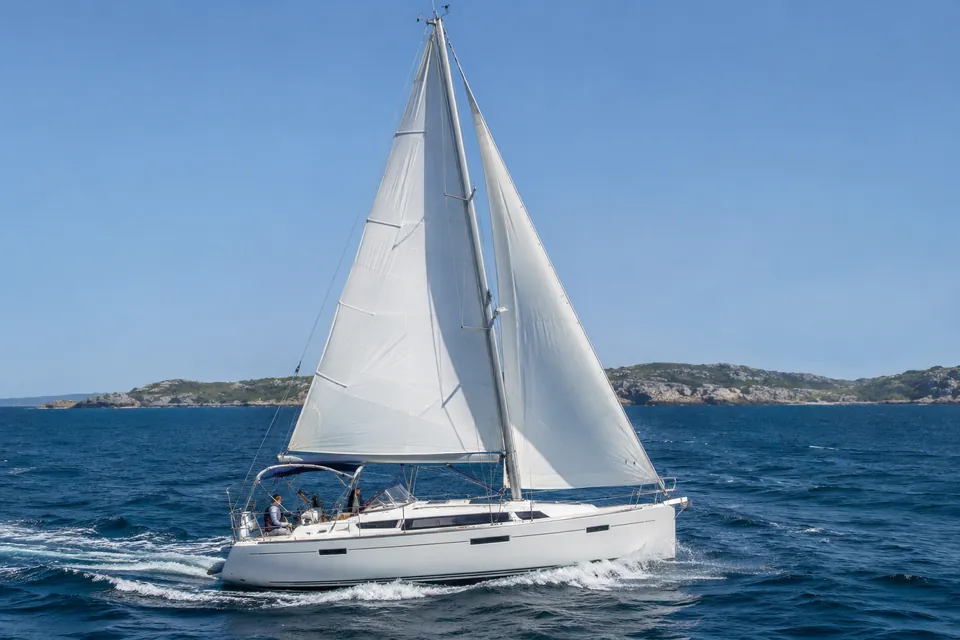
- What it lets you do
- Skipper recreational boats with no geographic limit on the licence.
- How you get it
- Theory, plus practical if needed. Over 60% overall; at least 75% on COLREG, law and navigation, 60% on safety and radio. Lower tier held 1+ year.
- Where to study
- Study it in Academy
Radio certificates
Certificado Restrito de Operador do GMDSS
ROC- What it lets you do
- Restricted operator certificate for the maritime distress and safety radio system.
- Where to study
- Study it in Academy
Certificado Geral de Operador do GMDSS
GOC- What it lets you do
- General operator certificate for the maritime distress and safety radio system.
- Where to study
- Study it in Academy
Certificado de Operador de Rádio GMDSS-A1/A2 Nacional
- What it lets you do
- National GMDSS radio operator certificate for sea areas A1 and A2.
- Where to study
- Study it in Academy
Certificado Restrito de Operador Radiotelefonista
- What it lets you do
- Restricted marine voice radio certificate. Its syllabus is covered in local skipper training.
- Where to study
- Study it in Academy
Certificado Geral Radiotelefonista
- What it lets you do
- General marine voice radio operator certificate.
- Where to study
- Study it in Academy
Certificado de Operador Radiotelefonista da Classe A
- What it lets you do
- Class A marine voice radio certificate. Its syllabus is covered in coastal skipper training.
- Where to study
- Study it in Academy
Certificado de Operador Radiotelefonista da Classe B
- What it lets you do
- Class B marine voice radio operator certificate.
- Where to study
- Study it in Academy
Certificado Geral de Rádio Comunicações
- What it lets you do
- General maritime radio communications certificate.
- Where to study
- Study it in Academy
Certificado Especial de Operador Radiotelegrafista
- What it lets you do
- Special maritime radiotelegraph operator certificate.
- Where to study
- Study it in Academy
Certificado de Operador Radiotelegrafista de 1.ª Classe
- What it lets you do
- First-class maritime radiotelegraph operator certificate.
- Where to study
- Study it in Academy
Certificado de Operador Radiotelegrafista de 2.ª Classe
- What it lets you do
- Second-class maritime radiotelegraph operator certificate.
- Where to study
- Study it in Academy
Radioeletrónica de 2.ª Classe do GMDSS
- What it lets you do
- Second-class qualification in GMDSS radio electronics.
- Where to study
- Study it in Academy
Certificado de Manutenção a Bordo do Equipamento do GMDSS
- What it lets you do
- Certificate for maintaining GMDSS radio equipment on board.
- Where to study
- Study it in Academy
Certificado de Manutenção Elementar a Bordo do Equipamento do GMDSS
- What it lets you do
- Certificate for basic maintenance of GMDSS radio equipment on board.
- Where to study
- Study it in Academy
Ready to study for it?
Start the Academy free with an account: the first lessons of every topic and three timed mocks per exam, marked like the real exam, with your progress saved.
Official sources: Diário da República — Decreto Presidencial n.º 69/14, Regulamento da Náutica de Recreio e Desportiva · Diário da República — Lei n.º 34/22, Lei da Marinha Mercante, Portos e Actividades Conexas · Diário da República — Decreto Executivo Conjunto n.º 5/25, taxas e emolumentos da Agência Marítima Nacional · Diário da República — Decreto Presidencial n.º 28/16, Regulamento sobre a Actividade Marítimo-Turística