
EPIRB, SART, NAVTEX and the radio log
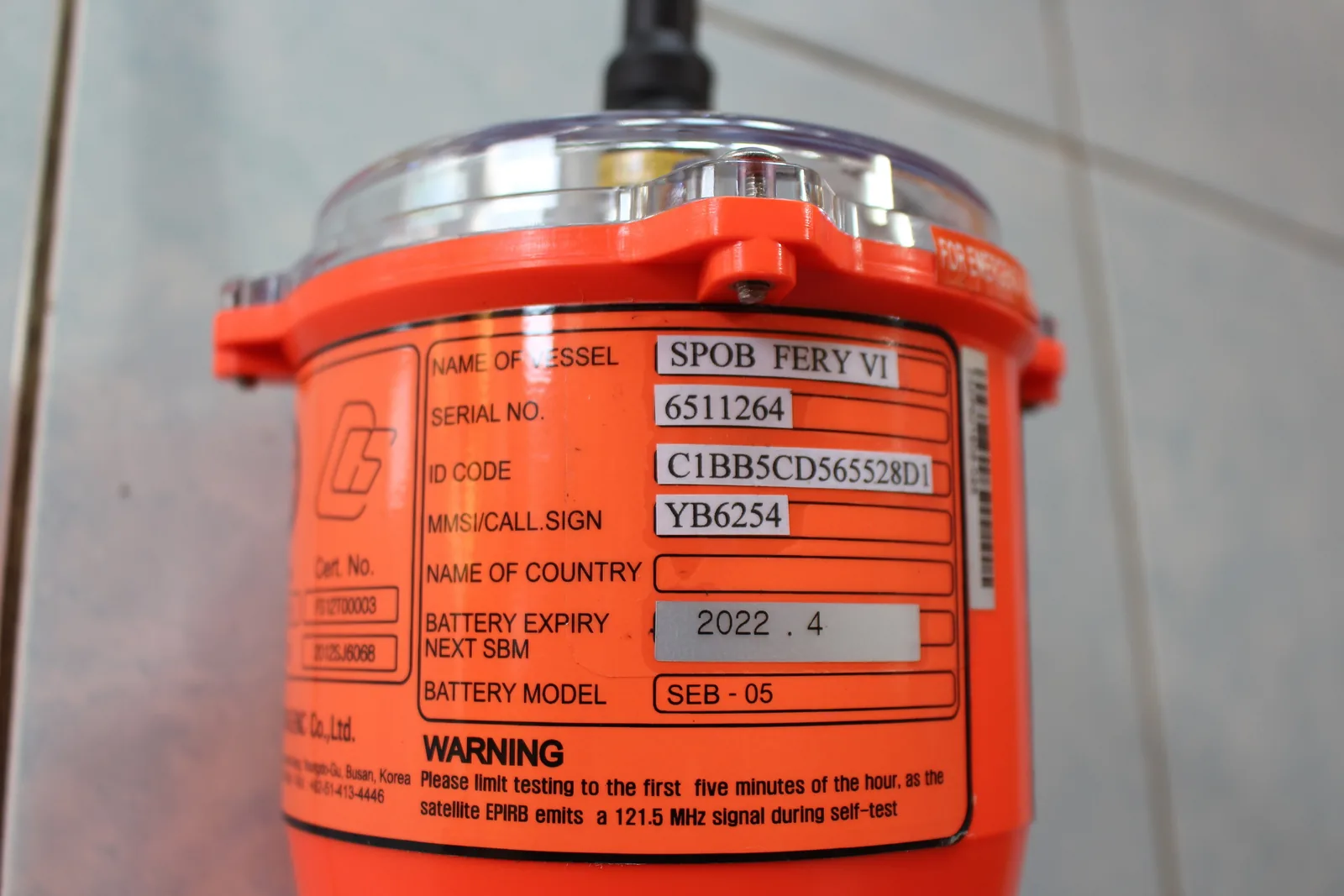
The EPIRB sends its distress alert on 406 MHz to the COSPAS-SARSAT satellites, which pass it to a rescue coordination centre.
Many also transmit on 121.5 MHz for homing. It is float-free: it releases and activates by itself if the ship sinks.
A radar SART answers a 9 GHz (X-band) radar pulse. On the rescuer's screen it shows as a line of 12 dots outward from its position; when the rescuer gets close, the dots become arcs and then circles. An AIS-SART shows on AIS as a SART target.
NAVTEX receives navigational and weather warnings on 518 kHz in English, with a designed range of about 400 miles. Select the right stations and message types, and never deselect navigational warnings, meteorological warnings and SAR information.
- Test equipment as required (for example the daily DSC self-test without radiating), check battery and hydrostatic release expiry dates, and record tests in the GMDSS radio log.
- Distress, urgency and safety traffic is recorded in the radio log with the UTC time.
Check this lesson
What does an activated radar SART show on an X-band (9 GHz) radar screen?