
Cancelling a false alert
A false alert costs little if you cancel it fast; silence costs a search.
A false alert is one sent without anybody being in distress. Cancelling it properly is part of your job; failing to cancel it, or to answer the RCC, makes it worse (47 CFR 80.334).
- VHF DSC
- reset the equipment, go to channel 16 and tell all stations: your ship's name, call sign and MMSI, and that you cancel the false distress alert (80.335(a)). MF DSC: the same on 2182 kHz. HF DSC: the same on the voice frequency of every band that carried the alert.
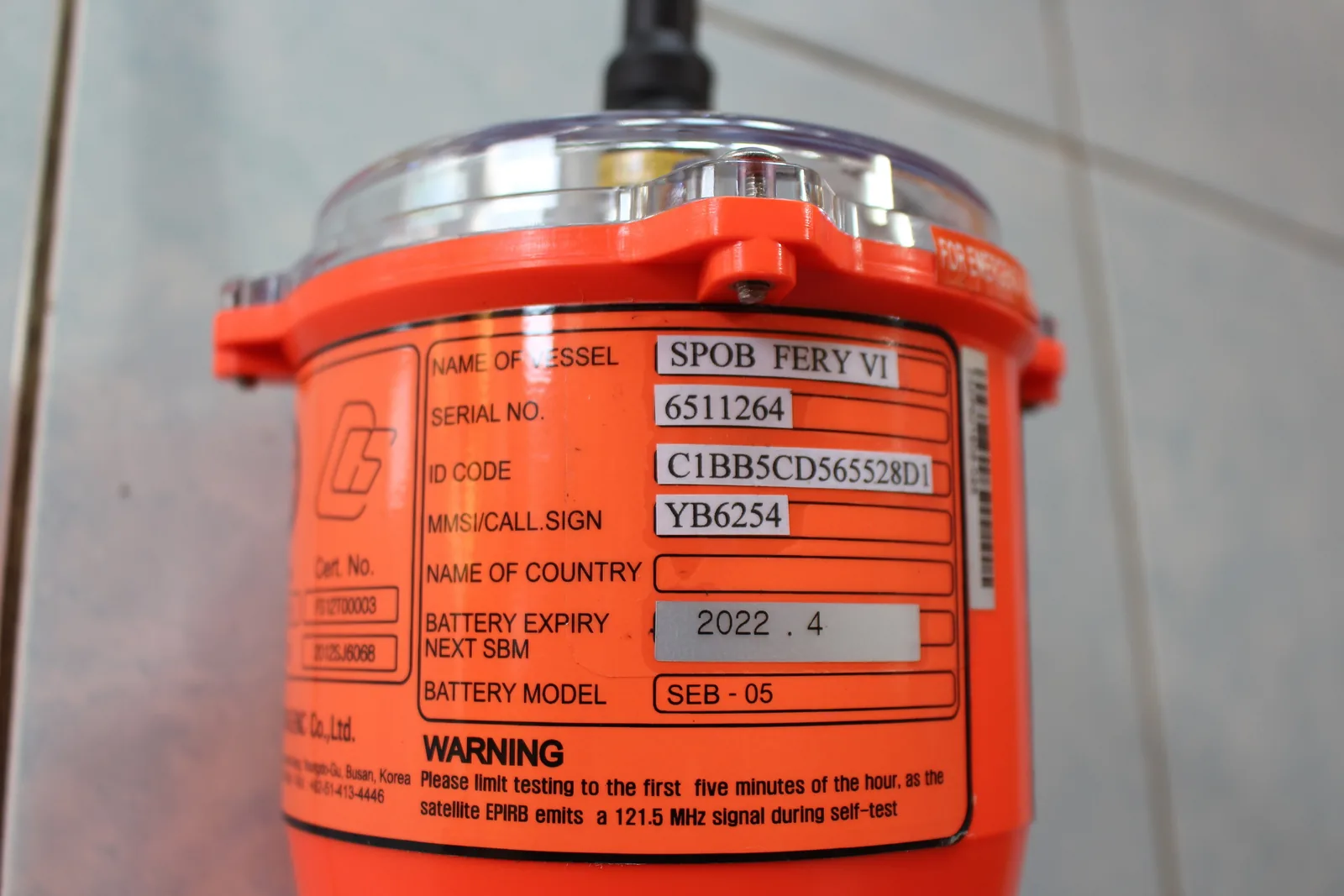
- EPIRB
- switch it off and contact the nearest RCC by any means (telephone, radio or satellite) to cancel the alert (80.335(e)). Satellite: a distress-priority message through the same earth station (block 5).
- Then log the false alert, the time and how it was cancelled.
- Tests and drills must never cause false alerts; test under the supervision of the person responsible for distress communications (MSC.514(105)).
Check this lesson
Question 1/2
May GMDSS tests cause a false alert if you cancel it fast?