Sertifikat Operator Umum GMDSS (GOC)
GMDSS GOC course: the whole syllabus, step by step
Your course
0 of 9 units completeEstimated time: about 4 hours and 20 minutes
Start the courseThe system and the sea areas · Lesson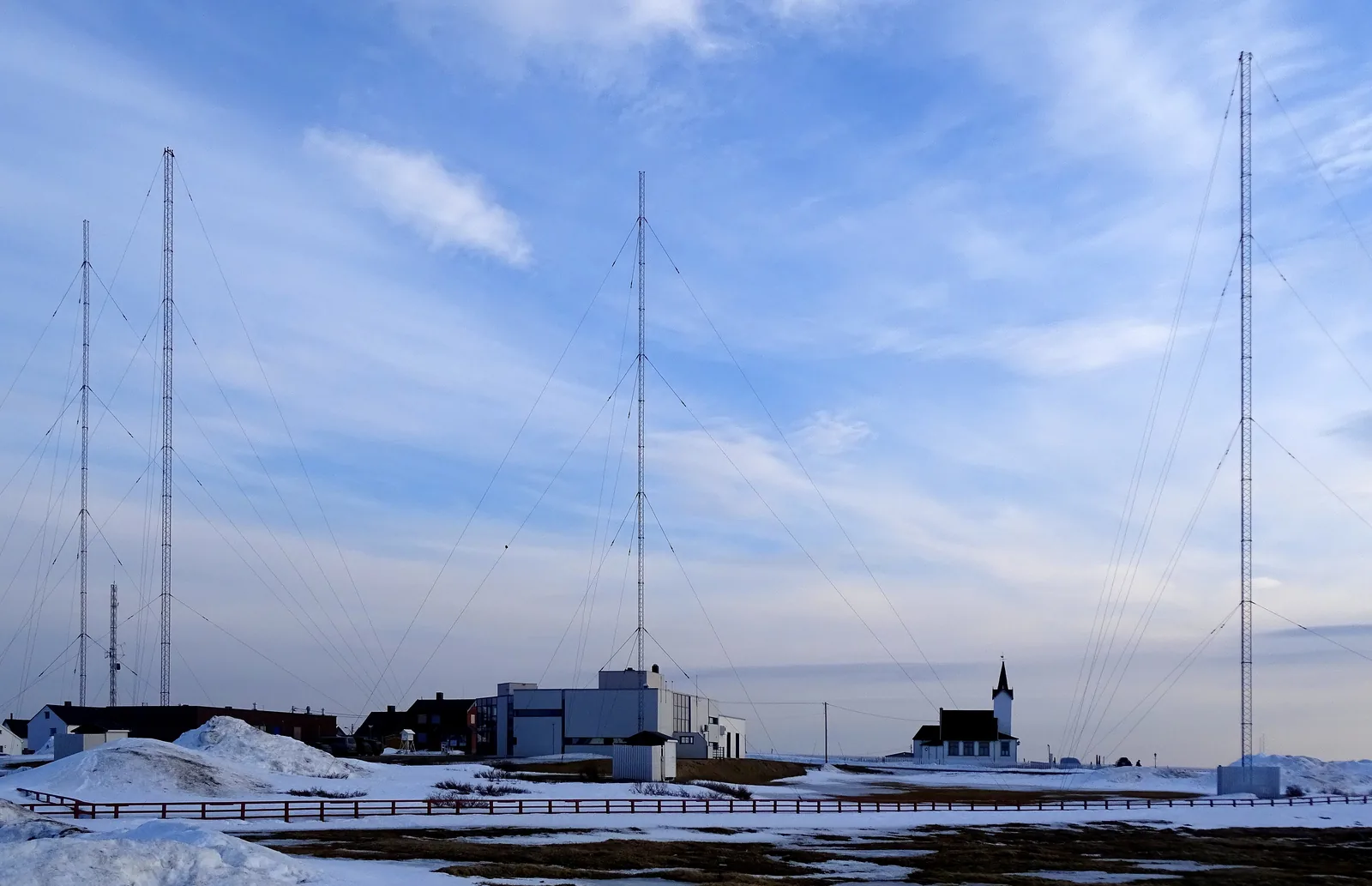
Learn the whole GMDSS General Operator's Certificate syllabus in nine blocks, from sea areas to the practical.
Start with the practice exam as a diagnostic: your result per block shows where to begin. Each block has a short lesson, a worked case, an exercise on the radio console and a check. This course and its completion mark are ours, not an official certificate: only your administration's exam gives a GOC. We are not affiliated with any administration that examines the GOC.
- Estimated time: about 30 minutes0/4
Unit 1 · The system and the sea areas
What GMDSS must do, the four sea areas, what each ship carries, the watches it keeps and who may operate it.
- Estimated time: about 30 minutes0/4
Unit 2 · Equipment and power supplies
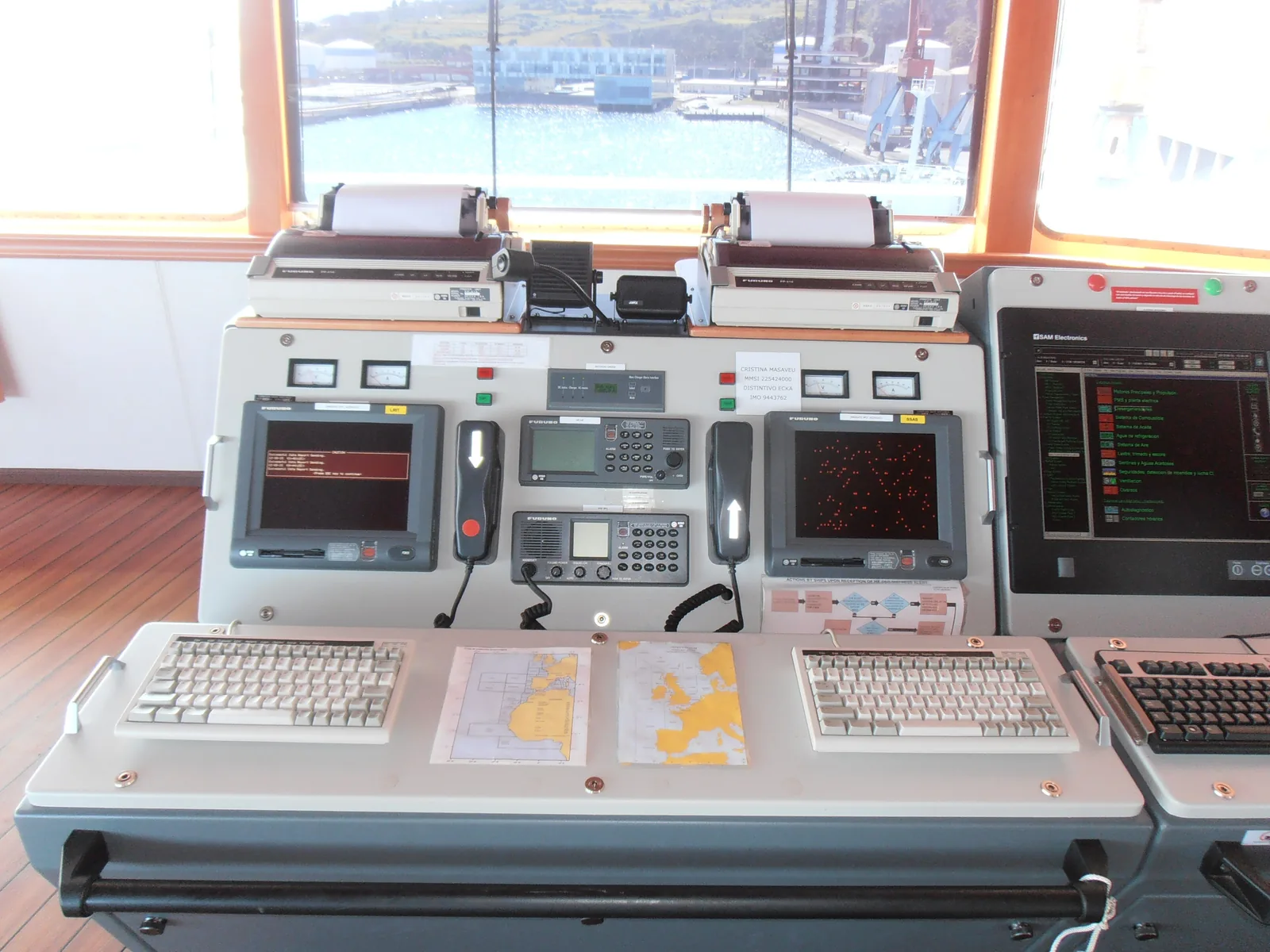
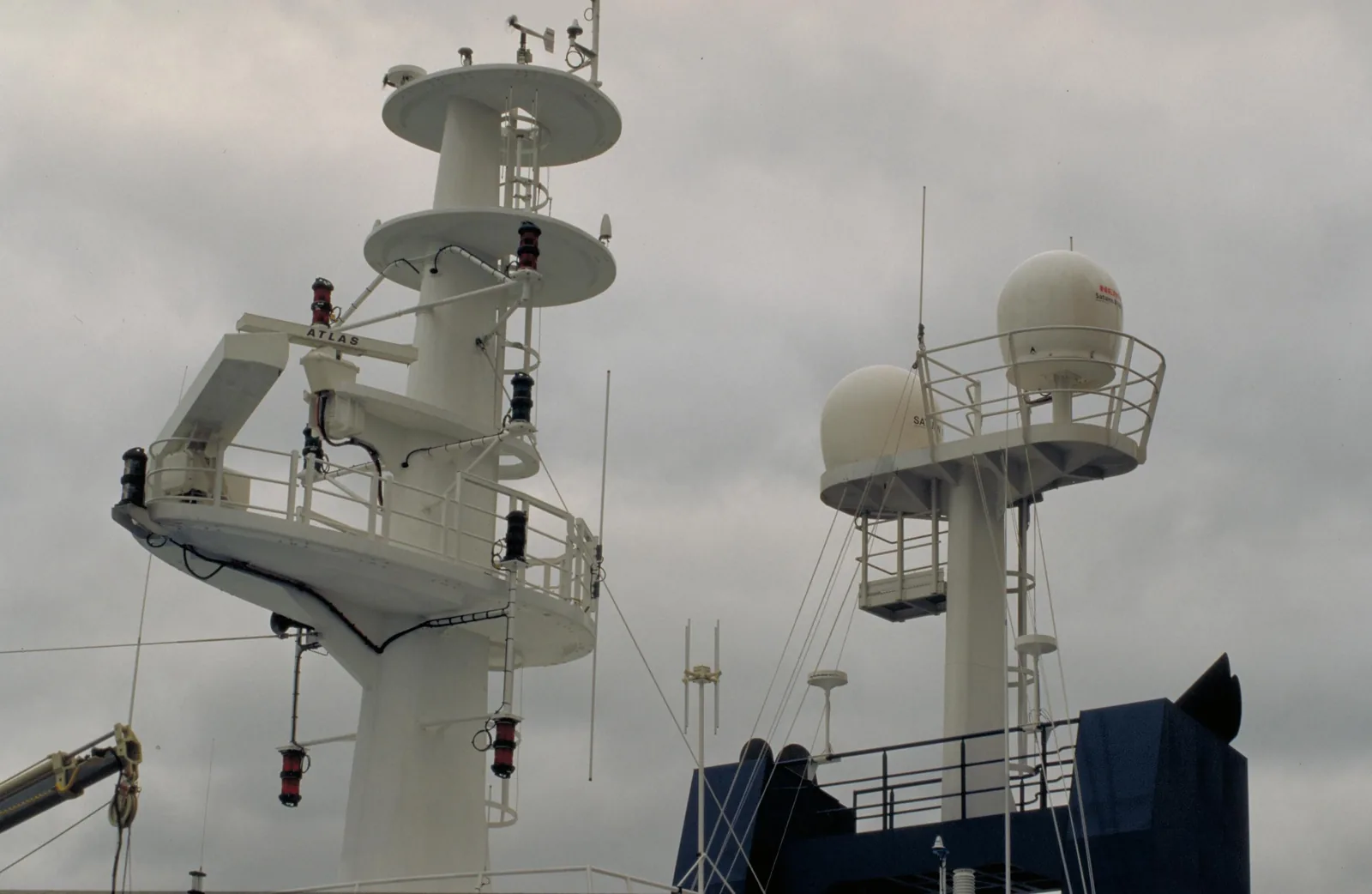
The VHF and MF/HF sets and their controls, antennas, classes of emission, and the reserve source that keeps the radios alive when the ship goes dark.
- Estimated time: about 30 minutes0/4
Unit 3 · DSC on VHF and MF/HF
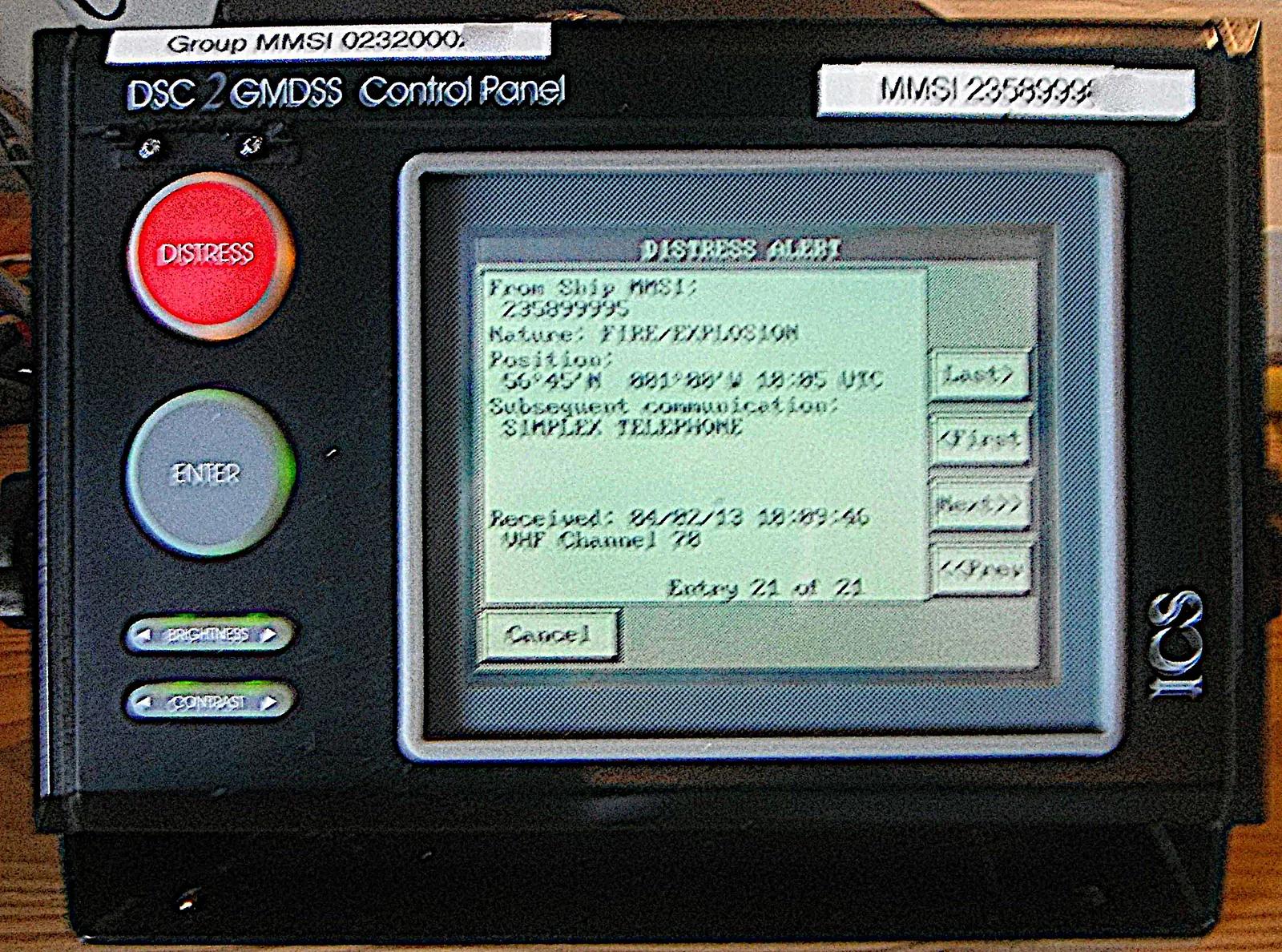
What a DSC call carries, how to send and receive a distress alert, when a ship may acknowledge or relay, and how to choose the HF band.
- Estimated time: about 30 minutes0/4
Unit 4 · Distress, urgency and safety by voice
MAYDAY, MAYDAY RELAY, PAN PAN and SECURITE: the words, the order, the channels, the silence signals and the medical call.
- Estimated time: about 25 minutes0/4
Unit 5 · Satellite services
How a recognized mobile satellite service carries your distress alert to an RCC, what the terminal needs to work, and how to cancel a false satellite alert.
- Estimated time: about 30 minutes0/4
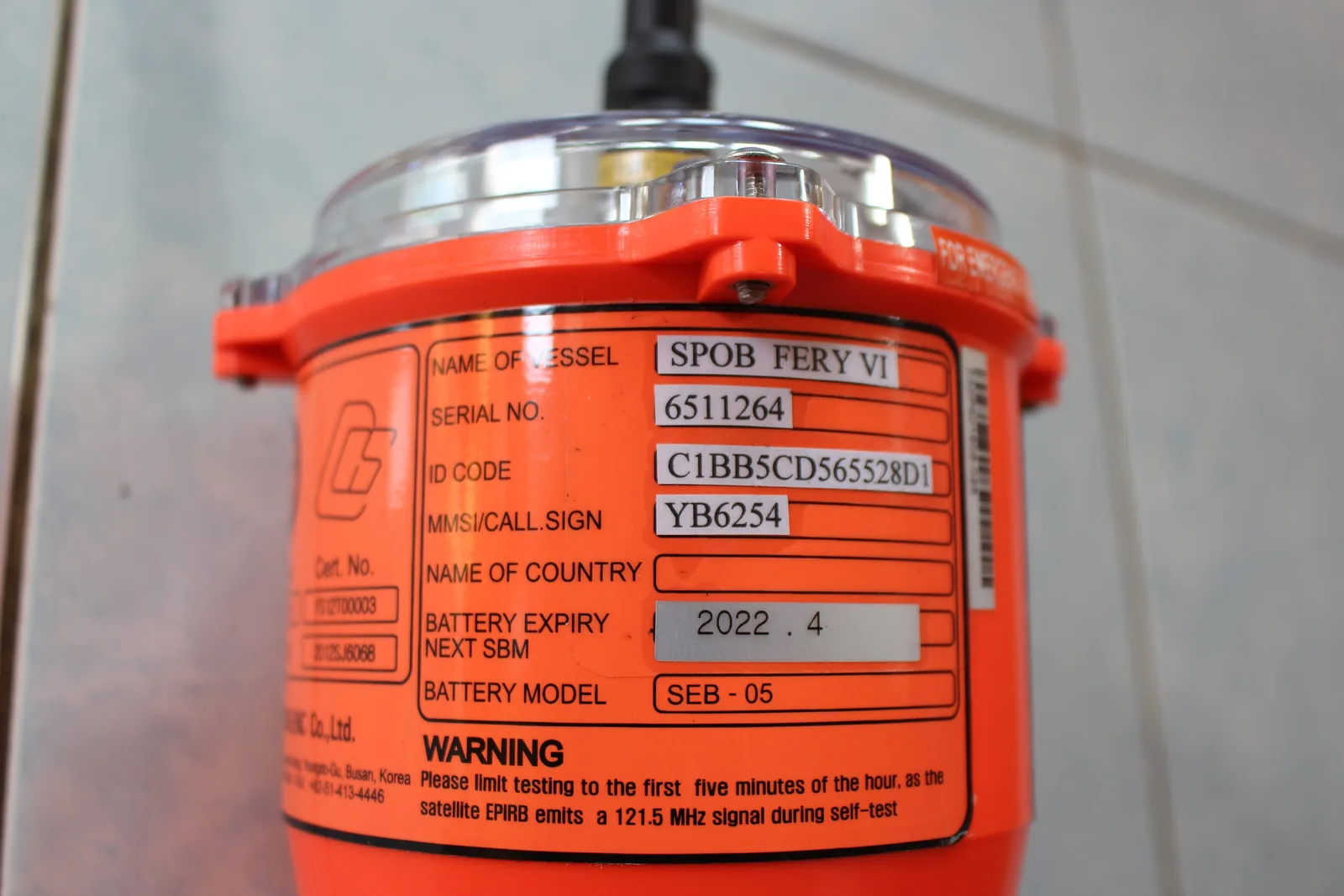
Unit 6 · EPIRB, SART and AIS-SART
The beacons that alert the shore and lead rescuers to survivors: how they work, how long they last, how you test them and how you cancel a false alert.
- Estimated time: about 30 minutes0/4
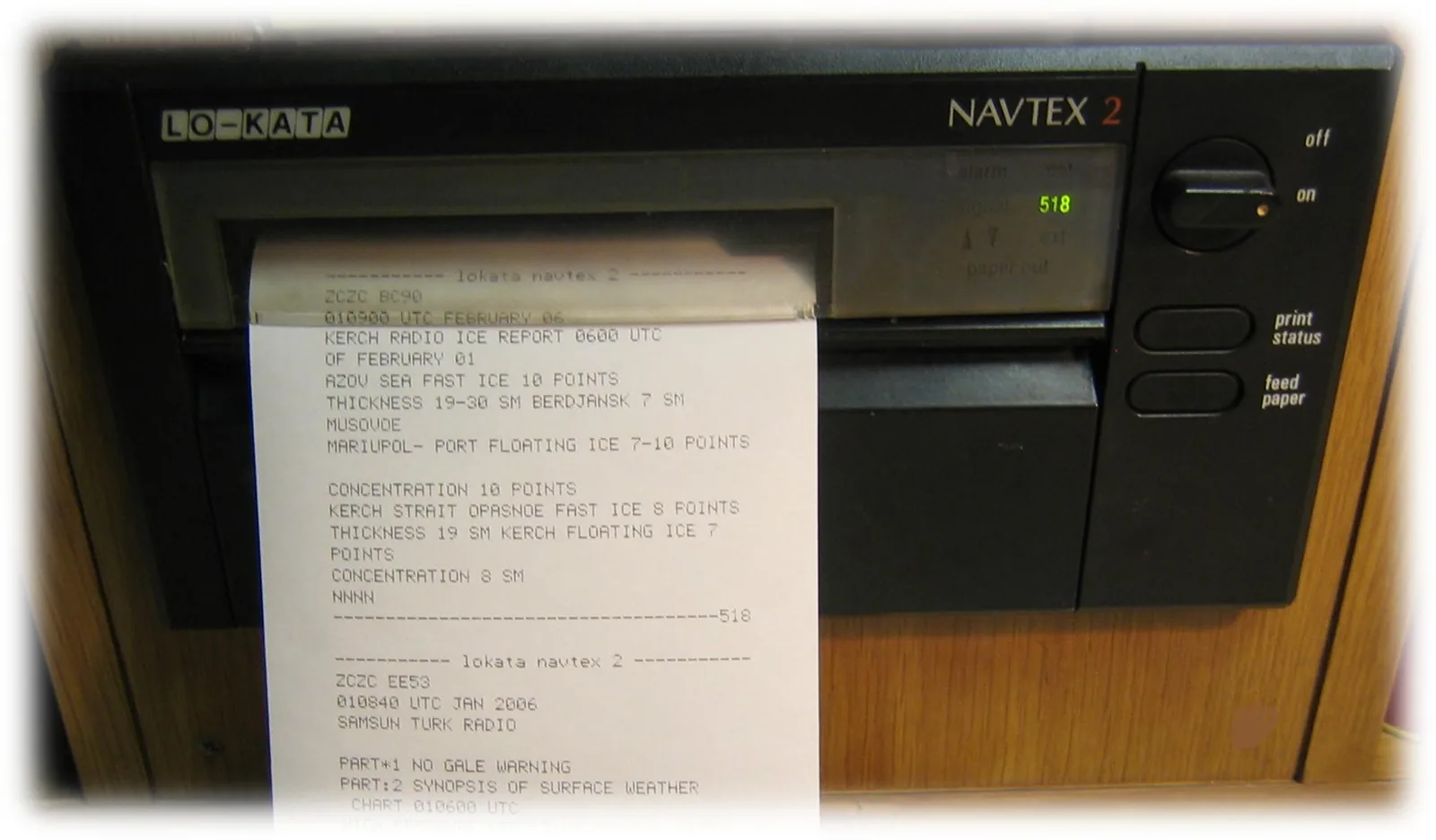
Unit 7 · Maritime safety information: NAVTEX and EGC
How warnings and forecasts reach the ship, how to set the NAVTEX receiver and the EGC terminal for your voyage, and which messages you can never switch off.
- Estimated time: about 30 minutes0/4
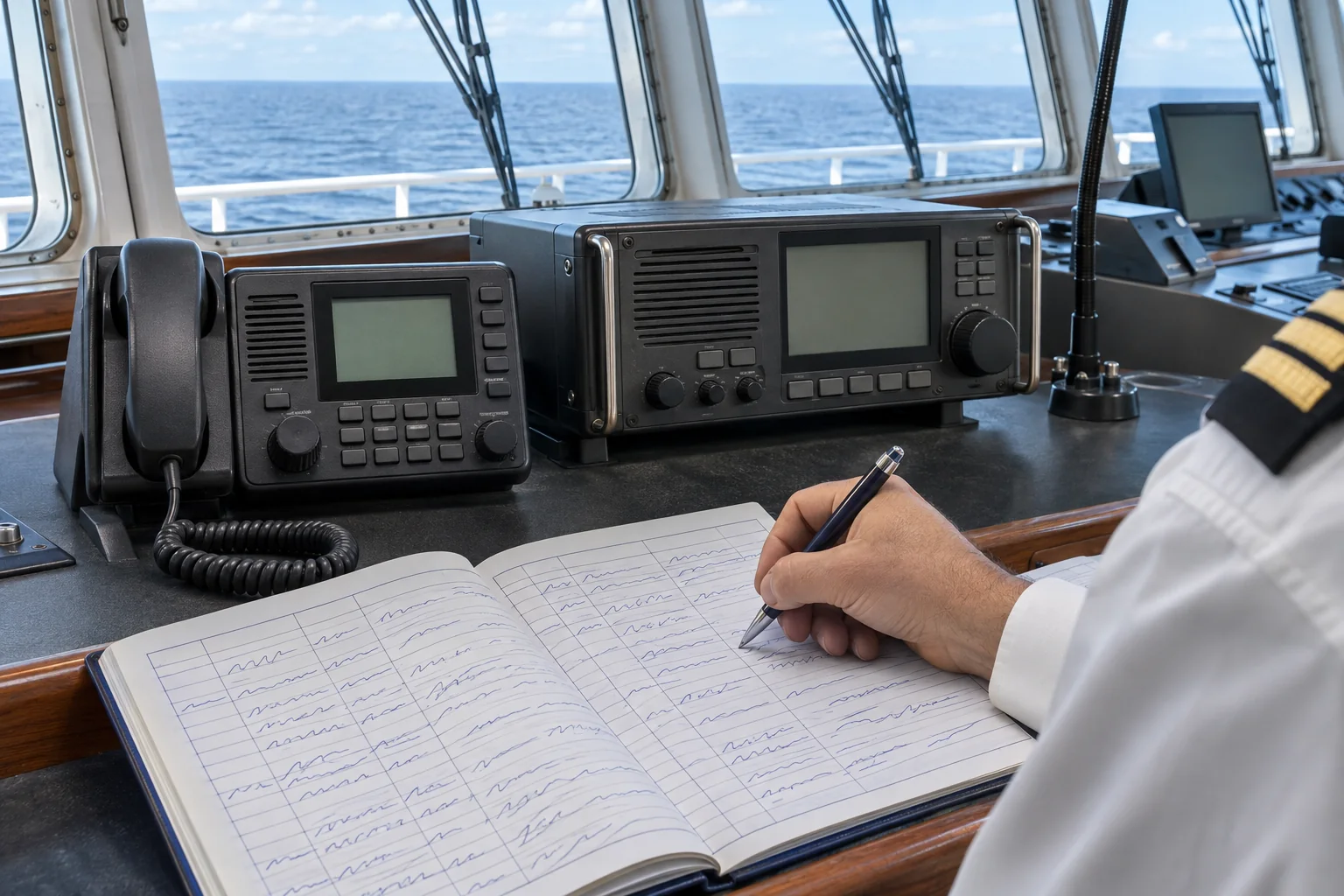
Unit 8 · Routine communications, logs, tests and batteries
Everyday calls done right, the daily, weekly and monthly tests, looking after the batteries, keeping the radio log and who pays for traffic.
- Estimated time: about 25 minutes0/4
Unit 9 · The practical: run the station
Put the blocks together on the console: a whole watch with a surprise, a distress you receive and handle, a false alert you cancel, and the order of actions under pressure.